Charlie Walsham

Charlie Walsham is the pseudonym of a BBC News employee who has worked at the Corporation for several years.

Inside the BBC’s impartiality meltdown

From our UK edition

As I watched Tim Davie and Samir Shah’s all-staff call on Tuesday, I became increasingly bemused and frustrated. It was impossible to tell from watching that the BBC is facing one of the greatest crises in its history. The fact that the call was hosted by an in-house spin doctor set the tone for softball questions and unchallenged responses.  Despite quitting in disgrace over the impartiality row, Davie seemed remarkably buoyant, babbling a word-salad eulogy to the corporation he has steered to the very edge of a precipice. It was insufferable.

The leaked BBC memo is no surprise

From our UK edition

As a BBC News journalist who has been driven to distraction by the corporation’s repeated displays of apparent bias, I didn’t think I was capable of being shocked anymore. It turns out I was wrong. Reading The Telegraph’s revelations about serious editorial lapses within BBC News was utterly sobering.  As I digested the information contained within a leaked internal memo, a range of now familiar emotions washed over me – dismay, disappointment, anger, sadness – but also a sense of vindication, albeit rather hollow.

Graham Linehan is right: there needs to be a reckoning at the BBC

From our UK edition

Ever since Graham Linehan’s bail restrictions were relaxed and the Father Ted creator was allowed back on X, he’s been firing off a blizzard of posts with the urgency of a man who senses that, for the first time in years, he is finally being taken seriously.  One post particularly caught my eye. It stated: ‘BBC Director General Tim Davie should resign for misleading the UK public on this issue.’ Linehan has occasionally exhibited a reckless tendency to stray into infuriated hyperbole on social media, a trait that has drawn criticism in the past and legal jeopardy in the present. But the suggestion made in this post is worthy of serious consideration.

The BBC’s Ramadan blindspot

From our UK edition

The month of Ramadan is well under way and the BBC is encouraging all its employees to demonstrate empathy and support for their fasting colleagues.  New advice has been issued. Regular staff have been urged to recognise that while ‘Ramadan is spiritually significant’ it can also be ‘physically challenging’ and Muslim colleagues ‘may seem quieter or different during Ramadan’ but this ‘should not be taken personally’. Managers have been given pointers too. ‘Consider adjusting work hours to support fasting employees,’ the advice states. ‘This might mean starting and finishing earlier or offering remote work options if possible.

The BBC has a ‘talent’ problem

From our UK edition

So here we are again – another well-known BBC presenter is facing a growing list of allegations of misconduct, tarnishing the image of the state broadcaster. This time around it’s MasterChef presenter Greg Wallace. In the depressingly familiar pattern of previous scandals, we’ve learned that concerns had been raised repeatedly with the BBC, but no meaningful action had been taken against Wallace until the scandal broke.  My colleagues and I, working in the newsroom as the Wallace story broke, ended up once again reporting on the failings and double standards of my employer, and wondering why our overlords seem unable to learn from past mistakes.

Will the BBC learn from Donald Trump’s victory?

From our UK edition

The grandly titled CEO of BBC News and Current Affairs, Deborah Turness, described Donald Trump’s re-election as ‘a dramatic night that changed everything’. She made that claim in an internal email to staff, lauding the Corporation’s ‘unmissable’ US election results coverage.  Her email though raises an interesting question: if Trump’s victory has changed everything, will it also lead to change at the BBC? Among the significant factors that undid the Democrats in the US election was the runaway spread of what Elon Musk calls the ‘woke mind virus’. But while the Democrats seem to have now realised the way they allowed identity politics to alienate their voters, there is no sign yet that our national broadcaster has learned the same lesson.

The BBC’s troubling coverage of the Kaba case

From our UK edition

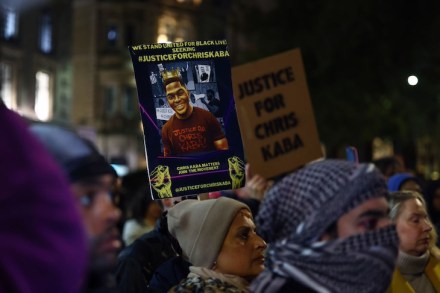
Coverage of the death of Chris Kaba – and the acquittal of the police officer Martyn Blake tried for his murder – has raised more troubling questions about editorial decision-making at the BBC. Kaba was shot dead during an armed vehicle stop in south London on 5 September 2022. Because Kaba was black, it appears the BBC’s commitment to achieving due impartiality succumbed quickly to the distorting lens of identity politics.

What the BBC gets wrong about the Gaza conflict

From our UK edition

This week, the BBC was accused of breaching its own editorial guidelines on more than 1,500 occasions and displaying a ‘deeply worrying pattern of bias’ against Israel in a report that drew its findings from an analysis of four months of BBC output. Editorial bosses at Broadcasting House have questioned the methodology of the research, which was led by litigation lawyer and pro-Israel campaigner Trevor Asserson. But having worked inside the BBC newsroom throughout the conflict, I have drawn some unsettling conclusions of my own when it comes to the Gaza conflict. To find out how we ended up here, we must return to the beginning.

Why is the BBC so positive about the Notting Hill Carnival?

From our UK edition

The BBC’s coverage of the Notting Hill carnival has been almost relentlessly positive. But the rosy view of the festivities was finally shattered this weekend when the Metropolitan Police released a statement confirming the death of two people who were attacked at the event. The force said both killings were now being treated as murder investigations. Smiling photos of the victims – 32-year-old mother Cher Maximen and 41-year-old chef Mussie Imnetu, who was visiting London from Dubai – accompanied the reports, their carefree expressions underlining the senseless destruction of two lives. Why is the BBC so determined to give such favourable coverage to an event with a lamentable track record of violence and criminality?

Why are BBC staff trying to get me fired?

From our UK edition

It’s not a pleasant feeling to know there are colleagues in your workplace who think you should be summarily dismissed and marched out of the building, flanked by security. Yet I learned this week that this is my predicament. As reported by GB News, unidentified BBC employees have been trying to identify me and have me fired for writing in The Spectator. According to one staff member, I need ‘IDing and then sacking’. The stated cause of their ire? That I had been, ‘very happy to breach the terms of (my) employment’, by writing articles accusing the BBC of breaching its own rules on impartiality.

How did the BBC get the trans debate so wrong?

From our UK edition

What must it feel like to realise you are part of an organisation that has placed so-called progressive values ahead of evidence, risking real-world harms to countless vulnerable young people?   In the wake of the publication of the Cass review into gender identity services for under-18s in England, I know exactly how that feels. No, I’ve not been moonlighting for the now defunct Tavistock clinic: I work as a journalist for BBC News. Regrettably, I believe there is a straight line between the BBC’s capitulation to extreme trans rights ideologues and the disturbing findings in Dr Hilary Cass’s 388-page report.

Has BBC Verify done more harm than good?

From our UK edition

As an increasingly jaded BBC hack, I reacted to the creation of BBC Verify last May with temple-rubbing despondency. The definition of ‘verify’ is to ‘to prove that something exists or is true, or to make certain that something is correct’. This is, in essence, the most basic rule of journalism. Yet here we were, having to reassure our increasingly distrustful audiences that we weren’t just broadcasting any old rubbish without checking it properly. Now why might that have become necessary? Regrettably, some areas of journalistic inquiry have been, in effect, ‘cancelled’ at the BBC One need look no further than the BBC’s coverage of Covid-19. The BBC seemed to jettison all pretence at balance during the pandemic.

Inside the chaos over Huw Edwards at the BBC

From our UK edition

It’s been a truly surreal, disturbing and darkly comic week at the BBC. Much remains obscured, but one thing is crystal clear: longstanding institutional failings over the way the Corporation handles serious complaints remain unaddressed.  On a more positive note, however, the events of the last few days have again showcased one of the BBC’s most enduring strengths: the willingness of its journalists to turn the spotlight onto their own employer, even a respected colleague. Even when that colleague is Huw Edwards, the face of the BBC, a consummate professional, a master of his craft and, until this storm engulfed him, a smiling, affable and reassuring presence at the heart of the newsroom.

Will the BBC own up to its Covid impartiality failings?

From our UK edition

As Gary Lineker resumes his duties as the BBC’s highest-paid employee, it is worth appreciating that one of the Corporation’s greatest strengths is that its own journalists are willing and able to criticise the organisation in their coverage without professional repercussions. The broadcaster’s many critics should recognise this self-flagellation for what it is: a vital demonstration of transparency. Unfortunately, having worked at the heart of BBC News throughout the pandemic, I have learned that this readiness to admit errors publicly only extends so far. Impartiality should be the starting point of everything BBC News does. Instead, editors are working backwards when it comes to Covid.

The problem with the BBC’s reporting on excess deaths

From our UK edition

I recall the newsroom conversations during the dark days of the pandemic only too well. They were upsetting at the time. Now, as we see a disturbing rise in excess deaths across the country, the thought of them fills me with horror and outrage.  ‘You do realise these lockdowns and restrictions will end up killing people too, don’t you?’ I would say to senior editorial colleagues with something approaching desperation in my voice. ‘Sure, the virus is a serious threat to a small proportion of the population but the longer-term consequences of shutting the economy down and closing off the NHS will be deadly for huge numbers who were never at serious risk from the virus, people with years of life ahead of them. Shouldn’t we be reflecting that in our coverage?

How the BBC was captured by trans ideology

From our UK edition

During Pride month this year a banner has been emblazoned across the BBC’s internal staff website used by every single employee. It features the following text: ‘BBC Pride 2022: Bringing together LGBTQ+ people of all genders, sexualities and identities at the BBC.’ Most people who work at the BBC aren’t concerned about this. But the slogan really should ring alarm bells, because behind its seemingly benign message of inclusivity is a latent political message about trans rights that is undermining the corporation’s impartiality. As a BBC employee I am proud and delighted that the corporation is striving to be a welcoming employer for people from all walks of life, whatever their colour, creed or whoever they choose to sleep with.

The real problem with the BBC’s partygate coverage

From our UK edition

As a journalist, it’s never a comfortable feeling when the news organisation you work for becomes the story. But with No. 10 desperate to throw some ‘red meat’ to the green benches — to take the spotlight off the rotting carcass of ‘partygate’ — it was inevitable that the BBC would end up being fed through the mincer this week. The Culture Secretary, Nadine Dorries, lit the touch-paper by announcing on social media (where else?) that the latest BBC licence fee announcement would ‘be the last’, adding with provocative hyperbole that ‘the days of the elderly being threatened with prison sentences and bailiffs knocking on doors’ were over.

How the BBC lost its way on Covid

From our UK edition

I have been a BBC journalist for many years, and in that time I have been committed to impartiality and the corporation’s Reithian values to inform and educate. My despair about the BBC’s one-sided coverage of the pandemic though has been steadily growing for some time. And in early December, as I listened to a BBC radio broadcast, I felt the corporation reach a new low. During a morning phone-in show on 5Live the topic of discussion was Covid jabs and whether they should be mandated, or if punitive action should be taken against those who refuse them, such as imposing lockdowns on the unvaccinated. Setting aside the fact that these authoritarian measures are now considered a matter for breezy debate, I at least expected a balanced discussion.