Cerys Howell

Will Labour ever have a female leader?

From our UK edition

Where are all the women in Labour's leadership race? Jess Phillips pulled out of the contest in January. Emily Thornberry, who ploughed on in spite of having less overall support, was knocked out a fortnight ago. Two women candidates remain. But every indication, from this week’s polling to CLP nominations to betting odds, is that Keir Starmer will beat Rebecca Long-Bailey and Lisa Nandy to a resounding victory on 4 April. With ballots going out this week and 70 per cent of members likely to vote within the first three days, the election is all but over. How did it happen that Labour, once again, will not elect a woman as its leader?


Labour’s radicals need to grow up

From our UK edition

As the well-worn cliché has it: if you’re not a socialist at 16, you don’t have a heart; if you’re still one at 60, you don’t have a head. The Labour party is on the brink of extinction. To survive, its members must use their heads. At 16, I was a fanatical socialist, reading Lenin, wearing a Chairman Mao hat and marching against the Iraq war. At 19, I went to Cuba. I learned about the revolution and planted crops with farmers, working with Amnesty workers and middle-aged Trots. The year I left university, David Cameron was elected prime minister and, for the first time since I was in primary school, we had a Tory government.

Pragmatic women have cross-dressed throughout history – but it doesn’t make them transgender

From our UK edition

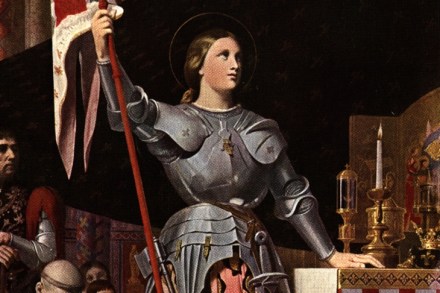
Women passing as men is a well-documented manoeuvre that goes back centuries. The history stretches from the legend of Hua Mulan, the fifth-century Chinese warrior who took her ageing father’s place in the army, to 18th-century pirates Anne Bonny and Mary Read. Cross-dressing women defied all odds and deserve to be honoured and celebrated. But their heroism is at risk of being obliterated by the politically correct liberal establishment who want to recast the boldest women of our history as 'transgender men'. In Shakespearean England, a cohort of women paraded around the streets of London in 'broad-brimmed hats, pointed doublets, their hair cut short or shorn, and some of them stilettos or poniards'. In the playhouses, cross-dressing was common.