Brice Stratford

How the West can win

It is no overreaction to look at the current state of western culture, through academia and the arts alike, and to feel that Rome has fallen all over again. Whether it’s a crowd chanting in support of terrorists at Coachella, or a horrific political assassination on a university campus, cheered by some, we are witnessing something far more sinister than a mere surge in political violence. We are watching the collapse of the fundamental preconditions that make civil society possible, as a civilization tears itself apart. Many are of the opinion that it is already too late: that the unique and unprecedented advances in western culture over the past three millennia cannot be furthered.
Stephen King’s You Like it Darker shows a master at his peak

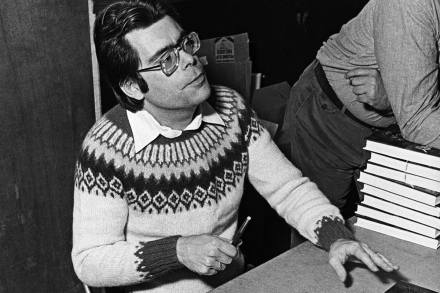
It is not hyperbole to call Stephen King the most influential horror writer alive. Across page and screen alike, nobody else can claim to have had such an expansive and lasting impact on popular culture. King’s name has become so commonplace that it’s easy to take it and him for granted, and to forget that behind the ultrafamiliar and now-ubiquitous branding there lies, in fact, a wild and strikingly original mind and a beating, bloody, passionate heart. You Like It Darker, King’s latest offering, is a highly accomplished and masterful collection of twelve short (and not so short) stories, all blistering examples of King’s powers. Though some have seen the light of day elsewhere, most are published here for the first time. All are worth the purchase.

King

The spy who loved me

I started reading Suleika Dawson’s The Secret Heart at a London bar, intending simply to skim through as I finished my beer. Six hours and many more beers later I was still at the bar, and still reading. The book, an erotically charged, no-punches-pulled account of her multiple affairs with the author John le Carré (or David Cornwell, as she knew him), is also a fascinating and important portrait of the man himself. The pseudonymous author, with her winking nod at Max Beerbohm’s femme fatale, offers a degree of insight and honesty which le Carré’s official biography (let alone his own memoir) and recently released collection of letters do not, and a character study of a London long since lost.

le Carré

Why universities are bad for the arts

From our UK edition

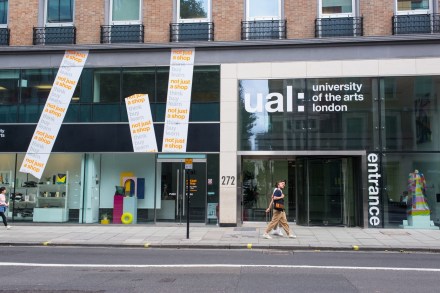
Members of the arts establishment have spent the past week outraged, following news that for the upcoming academic year funding for university courses in drama, dance, media studies and so on might have to be temporarily halved in order to better fund courses in medicine, nursing, pharmacology, the environment and the various sciences. Bearing in mind the state of the world, this shift in priorities might seem an unfortunate necessity. Nevertheless, toys are flying from prams. The arts education bubble is apparently livid that healthcare and the environment should be considered more deserving of funding than they are.