Brendan Sharp

The tragedy waiting to happen in our care homes

From our UK edition

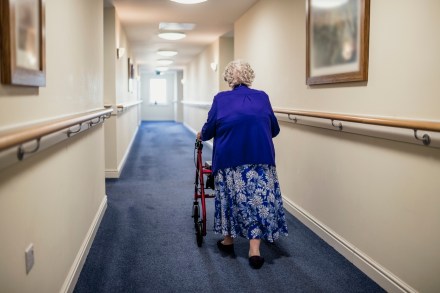
My grandmother, who has suffered from a major stroke, is bed ridden and barely compos mentis. She no longer has the cognitive ability to enjoy the relative intimacy of video calls on WhatsApp from well-wishers, or the simple pleasure of a Skype call with close family and friends. During this period of social distancing, her loneliness – now that visitors are not permitted in the home to prevent infection – is heart-breaking. A comforting hug or kiss on the cheek, in the brief windows when she is awake, is out of the question. Even a carer tucking her in at night could be fatal. Naturally, those with vulnerable relatives like mine – especially over the age of seventy and looked after by the social care system – are more worried than ever.
The gig economy continues to thrive, but more must be done to tackle it 

From our UK edition

Theresa May announced on Wednesday that 'We are proud to have record levels of employment this country but we must also ensure that rights are always upheld'. This is pure political point scoring, and should be taken with a very large dose of salt. For several years now the government has peddled the myth that employment measures in our country, such as zero hour contracts, favour the employee. The reality is that zero hour contracts still favour the employer, and play a significant role in the manipulated employment figures presented to the public by the government. Theresa May, and David Cameron before her, have constructed a narrative of a fruitful, flexible relationship between the employer and employee in terms of their relationship in zero hours contracts.