Bill Bishop

China commentator and curator of the newsletter, Sinocism, which rounds up the latest political and economic news from China

What Beidaihe reveals about the changing nature of Communist leadership

From our UK edition

26 min listen

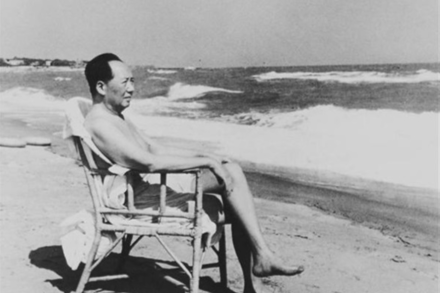
178 miles to the east of Beijing, there’s a beach resort called Beidaihe. The water is shallow and the sand is yellow and fine. Luxurious holiday villas dot the coastline. Starting from the 1950s, leaders of the Chinese Communist Party have moved their families and work to Beidaihe in the summer, making the beach resort something of a summer capital. Secrecy clouds the gatherings, and though this tradition continues, today the resort seems to serve a much more leisurely purpose when the CCP visits. On this episode, I’m joined by the historian James Carter and Bill Bishop, editor of the very popular Sinocism newsletter, to discuss where Communist leaders go, when they go on summer holiday.
Reflections on the 20th Party Congress: how Xi took complete control

From our UK edition

32 min listen

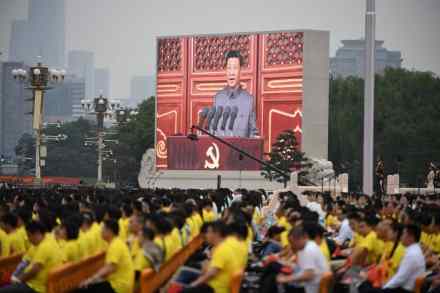
This week Xi Jinping has taken his new Politburo Standing Committee on a group trip – to Yan’An, the base of Mao Zedong’s Communist revolution after the Long March. The symbolism is easy to see. On this episode of Chinese Whispers, I’ve asked back Bill Bishop, author of the popular Sinocism newsletter, and Professor Victor Shih, author of Coalitions of the Weak, to reflect on the Party Congress just past. It's been a more dramatic event than many (inside and outside the party) expected, starting with a brave, lone protestor hanging a 42-character banner off a popular bridge in Beijing, lambasting the authoritarian regime; and ending with the forcible removal of former general secretary Hu Jintao in front of the world's media.

Succession and power: a look ahead to the 20th Party Congress

From our UK edition

58 min listen

Every five years, Beijing goes into heightened security as senior members of the Chinese Communist Party gather. The National Party Congress is an occasion for the party to review its track record and determine its future direction, but most crucially, it’s a moment to unveil future leaders. Older members of the seven-member Politburo Standing Committee are retired while fresh blood is brought in, including at the very top – the General Secretary. Under a norm set down by Deng Xiaoping, this General Secretary is meant to be changed every other congress – in other words, every ten years. But at this upcoming Congress, most China watchers expect Xi Jinping to remain in position, beginning his third term in power.

Politics and language: decoding the CCP

From our UK edition

59 min listen

All political parties have weaknesses for jargon and buzzwords, and the Chinese Communist Party more than most. It's why Party documents – whether they be speeches, Resolutions or reports – can be hard going. Sentences like the following (from the Resolution adopted at the Sixth Plenum) abound: All Party members should uphold historical materialism and adopt a rational outlook on the Party’s history....We need to strengthen our consciousness of the need to maintain political integrity, think in big-picture terms, follow the leadership core, and keep in alignment with the central Party leadership. In other words, full of platitudes and dense Marxist terminology. So what is, then, the purpose of official Party documents?