Bernard Ginns

Are you a ‘sub-prime’ patient? Healthcare costs set to soar

From our UK edition

With stories proclaiming ‘Crisis in the NHS’ an almost permanent rash in our media, the prospect of charging patients for GP and accident and emergency services will soon become a reality. An increasingly elderly population riddled with multiple long-term conditions combined with the hangover of continued austerity means that the numbers no longer stack up for an NHS free at the point of care. Family doctors are said to be drawing up plans to start charging patients for evening and weekend consultations, warning ministers that they cannot fund seven-day provision within their current resources. The Times reports that GPs are planning to sidestep restrictions on charges by allowing for payments to a third party company if patients want treatment more quickly.

The Bank of England needs to pay more mind to the hard-pressed

From our UK edition

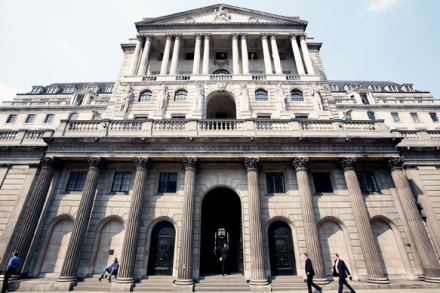
When the Bank of England is not indulging employees with the kind of taxpayer-funded hospitality that would make a bailed-out banker blush, its lofty and unelected officials might like to consider how they could help us ordinary mortals in the new year.  It has emerged that the Old Lady of Threadneedle Street spent nearly £100,000 of our money on its annual summer party, just weeks after the Brexit vote tossed the country into economic and political turmoil.  Following a Freedom of Information request, the central bank admitted that it lavished more than £94,500 (excluding VAT) on food, entertainment and the venue for the Governors’ Day event, with nearly another £4,500 on 'other' costs.

Loyalty doesn’t pay: why insurers need to treat their existing customers better

From our UK edition

One of the worst habits of the trillion-pound general insurance industry will be brought to an end in April next year. Even to a cynic, the willingness of many large general insurers to prey on the blind faith of loyal customers is thoroughly distasteful. Each year, they write with their renewal notices, thanking us for our business and saying there is no need to do anything if the policy still meets our needs. 'This is an automatic renewal,' they say. 'We look forward to providing another 12 months of cover.' How convenient, thinks the time-poor customer, trusting that the insurer which looks his home and car will have his best interests in mind.

Facebook blocks Admiral from using profiles to price car insurance. But what of Facebook’s privacy credentials?

From our UK edition

For one in seven people alive today, Facebook is their window on the world. More than one billion of them log onto the social network on their mobiles each and every day. Facebook knows their hopes, dreams, secrets and fears. It knows who their friends and family are and what they look like. It knows what interests them and who they are likely to vote for. Armed with this vast amount of information about the real-time behaviours, likes and dislikes of users, Facebook will have a very good picture of personality and attitude towards risk. That insight will become increasingly valuable, as we shall see. This week, the insurer Admiral announced plans to use Facebook to help set car insurance premiums for new drivers via an app, which would read social media posts.

Sending shockwaves around the world’s currency markets with Mark Carney

From our UK edition

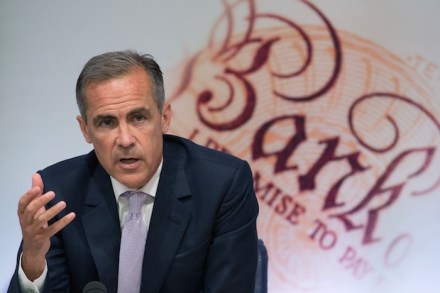
If only all my stories had as much impact. My interview with Mark Carney, the Governor of the Bank of England, sent shockwaves around the world’s currency markets. The Canadian was just three months into his new role as Britain’s most powerful unelected official when he visited Leeds to explain the central bank’s then new policy of forward guidance to a group of business leaders at the offices of one of the city’s Big Six law firms. In person, Carney was smooth, confident and assured, just as you would expect from someone who spent his formative years at Goldman Sachs. I had 10 minutes with the Governor, who was accompanied by his imported Canadian spokesman.

Is donating to large charities a waste of money?

From our UK edition

At the height of the Ebola epidemic in West Africa, the dead and dying lined the streets, locals too scared to remove the bodies or aid the stricken for fear of contracting the virus. Entire communities were wiped out as aid organisations came under fire for lacking a sense of urgency in the face of this humanitarian crisis. Meanwhile, in the comfort and safety of London, the individual in charge of a leading international charity responding to the crisis was telling the readers of a luxury magazine about his ideal weekend in the capital. This person revealed a fondness for Mediterranean food at fashionably authentic little eateries, exotic cocktails at Michelin-starred restaurants and trips to artisan bakers for fresh bread and pastries. How wonderful.