Benny Peiser

Don’t worry: the Paris climate deal is non-binding – and, ergo, toothless

From our UK edition

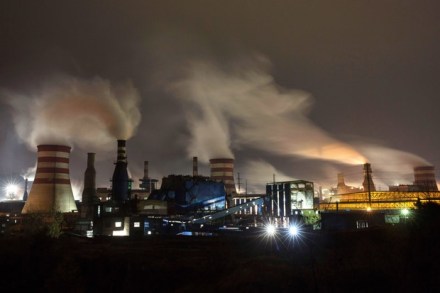
The Paris agreement is another acknowledgement of international reality. Further proof, if any was needed, that the developing world will not agree to any legally binding caps, never mind reductions of their CO2 emissions. As seasoned observers predicted, the Paris deal is based on a voluntary basis which allows nations to set their own voluntary CO2 targets and policies without any legally binding caps or international oversight. In contrast to the Kyoto Protocol, the Paris deal removes all legal obligations for governments to cap or reduce CO2 emissions. This voluntary agreement also removes the mad rush into unrealistic decarbonisation policies that are both economically and politically unsustainable.

Cooler heads

From our UK edition

When world leaders met in Paris to launch the latest UN climate conference, much of the talk behind closed doors did not focus on global warming. Instead, the Paris conference has been overshadowed by more pressing and less contentious security concerns: the war in Syria, Europe’s refugee crisis and the growing threat of Islamist terrorism in the wake of the Paris massacre. The Copenhagen summit six years ago was a massive event; this year’s climate conference barely merits a mention of the front pages. The Paris meeting is not even attempting to achieve what the 2009 Copenhagen summit failed to do: reach a legally binding treaty on cutting CO2 emissions.

Global warming isn’t to blame for the disaster in the Philippines

From our UK edition

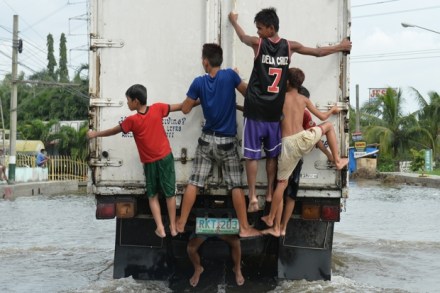
According to news reports, Typhoon Haiyan, which struck the Philippines a few days ago, is now overshadowing the UN climate summit in Warsaw. Some delegates and climate campaigners have been quick to suggest that global warming was to blame for this disaster. Nothing could be further from the truth. When it comes to cyclones and tropical storms, something quite remarkable has happened this year. The 2013 Atlantic hurricane season, which forecasters had predicted would be more active than normal, turned out to be a complete washout. For the first time in 45 years, no major hurricane made landfall. This year has also been marked by the fewest number of hurricanes since 1982, and the first since 1994 when no major hurricane formed.

Ed Davey’s energy fantasies

From our UK edition

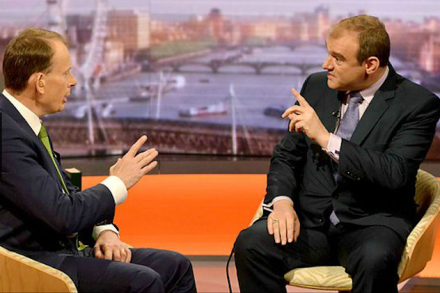
As energy prices continue to — with British Gas imposing a 9.2 per cent rise — the government is under growing pressure. The tragedy is that any genuine solution to the largely self-inflicted energy fiasco will not be considered let alone enacted any time soon – as we can tell by the recent outings of the climate change secretary Ed Davey. The controversy about the proportion of green taxes on energy bills looks trivial compared to the tornado that is going to hit parties in coming years - as the government’s self-imposed decarbonisation targets drive energy prices up relentlessly.