Benedict Spence

It’s not just hooligans – hipsters also love a football shirt

From our UK edition

When I was young, from about the age of nine to 13, I went through what my parents recall with a shudder as ‘the football shirt phase’. Where some children rebel by smoking, and others take to eyeliner, my vice was polyester. My first shirt was a quirky one — an early Noughties AS Bari white and red home shirt with an itchy collar. The thing smelled of washing powder no matter how much I wore it — which was daily for the best part of three months one very hot Italian summer. I’d wear football shirts everywhere, from family meals to drinks parties, trips into town and to Mass. It got to a point where my father would explode with rage if I appeared at the door wearing a baggy AC Milan kit.

Five TV sitcoms that are ripe for banning

From our UK edition

So we’ve come to it once again: busybodies fretting about what the kids are watching on TV. It’s one of those things that comes around at least once every decade, alongside video games, rap music, pornography and social media — a medium that needs to be strictly controlled, lest it infest the suggestible lesser minds of those who consume it to the detriment of wider society. This generation’s Mary Whitehouse is a TV writer by the name of Daisy Goodwin, responsible for the twee Downton Abbey tribute act Victoria. Goodwin, in the Radio Times, has called for the BBC to stop showing repeats of the favorite sitcom Dad’s Army, for fear that it promotes eurosceptic views, and the misleading idea that doddering old Britain really can go it alone.

The New York Times’ cowardly decision to ditch cartoons

From our UK edition

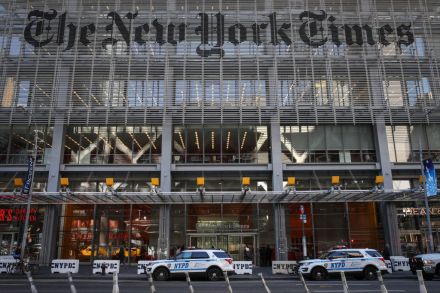
The New York Times has said it will stop publishing political cartoons, six weeks after an image of a blind, kippah-wearing Donald Trump being led by a dog with the head of Bibi Netanyahu appeared in the paper. The cartoon was rightly condemned and an apology swiftly issued. But scrapping cartoons for good – and parting ways with two of its long-time cartoonists, neither of whom drew the offending image – is a step too far. The paper’s bungled campaign against Donald Trump shows why. Since Trump first emerged as a candidate for the presidency, the NYT has railed against him for all manner of sins, from his womanising to his apparent bid to undermine press freedom. Trump is depicted as one thing: a thin-skinned, narcissistic racist.

EU elections could be a golden opportunity for Brexiters

From our UK edition

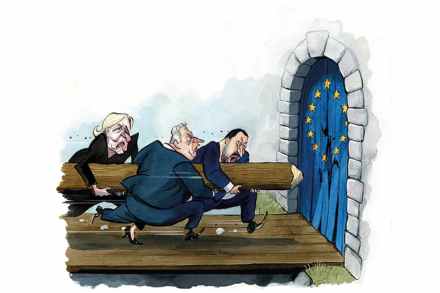
A Brexit delayed until Halloween will be regarded as a nightmare for many. It must seem to the people who voted to leave the EU that escaping the bloc is slipping further and further away. The extension confirms their fears that the government and Brussels are prepared to re-write the rules in order to avoid a no-deal scenario, having previously pledged there would be no extension at all. One of the immediate issues now will surely be the EU elections on the 23 May, which many parties were loath to take part in. But, in some ways, the EU elections could be very helpful for Brexiters. And they could end up with more allies in Brussels than they currently have in Westminster.

It was Keith Flint’s aggressive, feral, live performances which made The Prodigy so great

From our UK edition

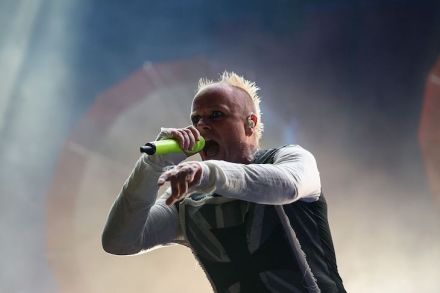
Keith Flint, the fearsome looking frontman of British electronic dance group The Prodigy, has died at the age of 49. With him, you fear, has gone one of the most important music movements of the last 30 years. The Prodigy is, or was, a strange group, all things considered. They emerged from the rave scene of early 90s Essex, with hits such as ‘Charly,’ ‘Everybody in the Place’ and ‘Out of Space’. The latter became a popular, upbeat, conciliatory anthem the band ended every show with, whilst ‘Everybody’ just missed out on number one. But the group went mainstream with a much darker brand of music than the ‘kiddie rave’ of their debut work.

How advertisers are capitalising on the culture wars

From our UK edition

It’s still only January but already we’re on our third advert-related outrage of the year. To the Army’s ‘Snowflakes’ poster campaign and HSBC’s bold assertion that Britain is not an island, we can now add Gillette’s ‘the best a man can be’. We’ve come a long way since the greatest affront to British audiences was KFC’s clip of call-centre workers singing with their mouths full, which garnered over 1,500 complaints in 2005.  But is this a surprise? Not really. The culture wars have bubbled to the surface of society in the last decade in a flurry of placards, dyed hair and high-vis vests. No longer the preserve of internet chat rooms and gender studies departments; now outrage is mainstream.

How Italy’s populists stepped up their war with Macron

From our UK edition

The war of words between the governments of Italy and France escalated last week, after Italy’s deputy Prime Ministers, Luigi Di Maio and Matteo Salvini, gave their support for the gilets jaunes movement against French President Emmanuel Macron. The two sides have repeatedly come to blows over all manner of issues, from immigration to economics, via a whirlwind of thinly veiled insults. But the latest move marks a changing dynamic between the two sides; a once confident and resplendent President Macron now finds himself on the back foot, whilst the Italian leadership, emboldened, have begun to assert themselves across Europe, even to the point of inserting themselves into the affairs of other countries.

The remarkable scandal threatening to topple the Czech Prime Minister

From our UK edition

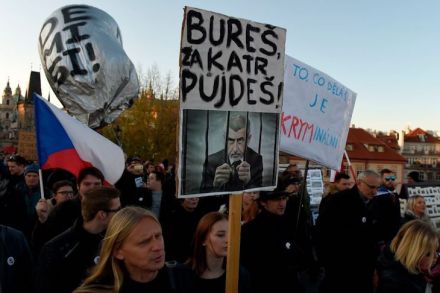
I have only personally encountered Andrej Babis – the billionaire Prime Minister considered the Czech Republic’s answer to Donald Trump – once. It was during, of all places, a lingerie runway show at Prague Fashion Week. Even amidst the booming music and assorted fashionistas, the buzz that greeted Babis was unmistakable. The only other thing which generated anywhere near as much interest that night was when an outfit malfunction left one of the models more exposed than planned – the crowd watched in astonishment as she carried on nonplussed. This strange occurrence seems as good a metaphor as any for what has befallen Babis in the months since then.

The Stepford students’ latest target is a step too far

From our UK edition

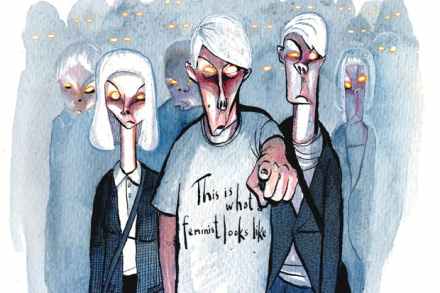
Stepford students have been busy in recent years picking off targets from the past to vent their fury at. Cecil Rhodes in Oxford and Edward Colston in Bristol are the most high-profile victims of this attempt to wipe parts of posterity from the face of university campuses. Now, there is a new target: William Gladstone, the only man to have served as Britain’s Prime Minister on four separate occasions. Students at the University of Liverpool are demanding that Gladstone’s name is removed from a hall of residence. His crime?