Benedict Rogers & Johnny Patterson

The death of Hong Kong

From our UK edition

When Hong Kong was handed over from Britain to China with great fanfare on 1 July 1997, there was a cloud which hung over the process. The shadow of the 1989 Tiananmen massacre loomed large, casting doubt on whether the promises that Beijing had made in international law could be trusted.  23 years later, and Beijing has chosen 1 July to enact a constitutional coup. The handover anniversary has been chosen to theatrically signal that this is a kind of second handover, as one-country, two-systems becomes 'one-country, one-system.' The move is drenched in symbolism. The Chinese Communist Party considers the illusion of Hong Kong's high degree of autonomy to be so irrelevant that the city's puppet leader, Carrie Lam, had still not seen the law hours after it had been passed.
Is there any way back after Hong Kong’s ‘Bloody Sunday’?

From our UK edition

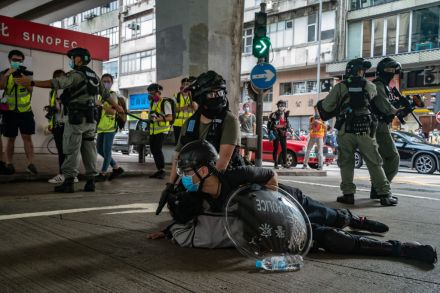
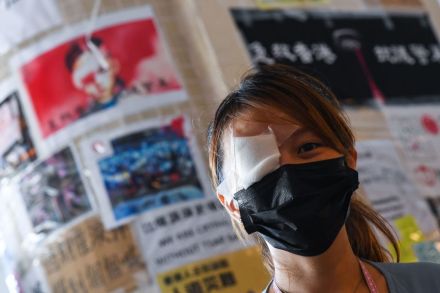
August 11th 2019 may go down as Hong Kong’s ‘Bloody Sunday’ as police officers bludgeoned and bruised protesters who had taken to the streets. A young woman was hit in the eye by a rubber bullet. A man was pinned to the ground by police, pleading for mercy as his bloodied face was pushed into the concrete. A policeman shot pepper balls at youngsters from point blank range. Another officer pushed protesters off escalators. Videos also emerged of police officers disguised as protesters making arrests. And there were reports of triad gangsters left free to roam the city, beating up unsuspecting demonstrators. Hong Kong’s protests started as protests about a single issue, amendments to the city’s extradition law.