Ben Southwood

Roger Scruton’s campaign for beautiful buildings is finally being won

From our UK edition

Travelling around Britain, one is given the sense that built up areas are mostly ugly, while the countryside is mostly beautiful. As a lover of the urban, this is distressing. For new buildings to be ugly feels as inevitable as death and taxes. But it does not have to be. Over almost a decade, a small group of activists have brought beauty into the heart of development policy. The Housing Secretary Robert Jenrick's speech at Policy Exchange this week signals that a revolution is well under way, even if there is still a long way to go. Given that almost everyone thinks that the appearance of the built environment matters, it is strange that there has not always been a strong ‘beauty movement’ in British planning.
The case for lowering taxes

From our UK edition

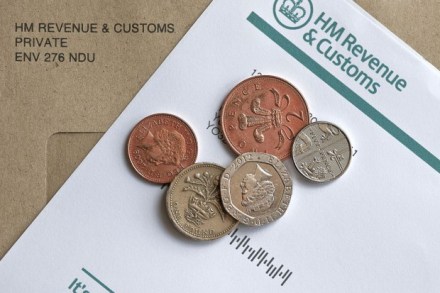
There’s a saying that when you tax something, you get less of it. Sometimes, this is a good thing. The government taxes smoking, alcohol, and petrol partly because we think these things have costly side-effects—like pollution or burdening the NHS—that we want to discourage. But most of our taxes do not fall on activities with costly side-effects: they fall on things like working, travelling, and socialising. And because we have such a high tax burden—this year we'll work for the chancellor for 154 days before we start working for ourselves on Tax Freedom Day, today—we almost certainly have less of those things. With lower taxes we'd be happier, and our descendants would be richer.

There will be no wind power without fossil fuels to guarantee supply

From our UK edition

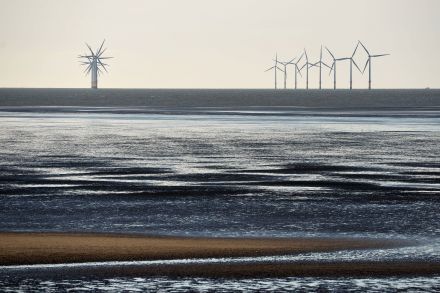
On 1 December, The Spectator will be hosting a conference on the geopolitics of energy, featuring MP David Lidington, the UK's minister of state for Europe, and Price Waterhouse Cooper's chief UK economist John Hawksworth. Tickets are still available and can be purchased online. The UK is quite windy. We need to reduce our carbon emissions. Take these two propositions together and it seems obvious that wind power could be a significant chunk of the solution. We already know that wind-power is costly and nearly always runs way below capacity. But a new paper out today suggests the problem is worse than that - its output is so variable and unreliable that we'd need nearly the same amount of fossil fuel capacity alongside wind just to guarantee supply.