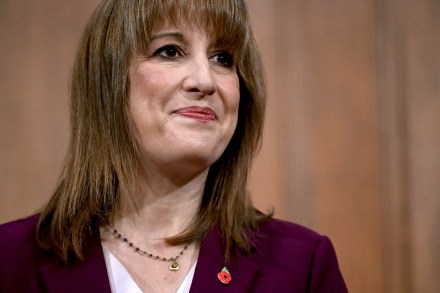
Ben Miller

Ben Miller is senior analyst at the Centre for Social Justice and The Spectator’s freelance economics reporter.

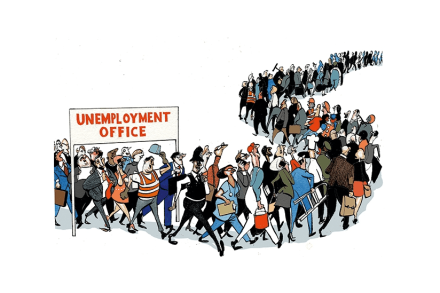
Why unemployment is at a five-year high

From our UK edition

Britain’s jobs market continues to struggle. Figures released by the Office for National Statistics (ONS) this morning show that the unemployment rate increased to 5.2 per cent, the highest rate in almost five years. Today’s release contains other worrying signals. The number of payrolled employees fell by 134,000 in the year up to January. Some 11,000 jobs were lost in January alone. Several factors lie behind the weak labour market. Government policy choices, such as the hike in employers’ National Insurance contributions and the looming increases in business rates, have undoubtedly hit hiring. A number of economists have also blamed the UK’s high minimum wage for declining opportunities for young people.
Can Rachel Reeves take credit for falling inflation?

From our UK edition

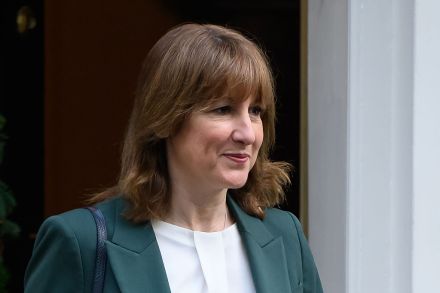
For the second month in a row, inflation has fallen. Figures released by the Office for National Statistics show that last month the Consumer Price Index fell to 3.2 per cent from 3.6 per cent in October. November's reduction is the largest since September 2024. For the government, this is very good news. High inflation over the past six months has intensified pressure on Labour to tackle the cost-of-living crisis. This was clearly reflected in last month's Autumn Budget, with Rachel Reeves announcing freezes to rail fares and fuel duty, as well as measures to lower household energy bills. If inflation continues to decline at this rate, the Chancellor will claim victory. Whether or not this is credible is debatable.

Inflation is down, but it’s little relief for Reeves

From our UK edition

For the first time since May, the Bank of England has inched a little closer to its 2 per cent inflation target. Figures released by the Office for National Statistics this morning show that last month the Consumer Price Index fell to 3.6 per cent from 3.8 per cent in September. Unfortunately for the government, the slight improvement offers limited relief ahead of the upcoming Budget next Wednesday. October marks the 13th consecutive month above the target. Food and drink inflation, a primary issue to the majority of voters, increased to 4.9 per cent from 4.5 per cent in September. To make matters worse, transport costs, another expense felt keenly by households, are rising rapidly and show minimal signs of recovery. Yesterday, petrol prices reached their highest level since March.