Ben Mason

The German Greens might do so badly they end up getting in

From our UK edition

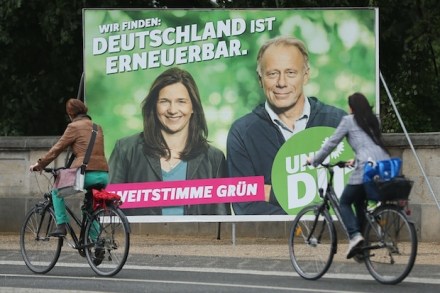
The German Green Party is having a torrid time. In an election campaign remarkable for static polls, come what may, the collapse of a third of the Green vote has been the most pronounced swing to be found. If in Sunday’s vote they do as poorly as it now looks like they will, this makes it more likely, not less, that they will end up in government. As it gradually became clear that Angela Merkel is staying put, and the real question was who she would end up with as coalition partners, the Greens looked like an unlikely option. For months they’ve put a wide gulf between themselves and Merkel’s Christian Democrats by calling for higher taxes and more redistribution.
Angela Merkel’s Christian Democrats could still lose. It all comes down to the maths

From our UK edition

Just over a month before election day, Angela Merkel’s Christian Democrats (CDU) are in a commanding position. The latest polls give them over 40 per cent support – fully 16 points ahead of main rivals the Social Democrats (SPD). You might think they’d have little to worry about. However, Germany’s electoral system is so scattered with technical and arithmetical traps that they are not safe yet. Five per cent is a magical figure in German politics. Like many of its other national institutions, the voting system was designed with the country’s previous sins in mind; it is essentially proportional representation, but to stifle the rise of extremists, a party must gain 5 per cent of the popular vote to be awarded any seats.

The SPD has no credible answer to Germany’s Iron Lady as polling day nears

From our UK edition

As symbolism goes, it borders on cliché. Running out of time to gain any serious traction, Germany’s Social Democrats last week unveiled their new campaign posters, and they promptly disintegrated on first contact with rain. The seven images neatly chronicle - or will do once they’re replaced - the profound failure of the main challengers to Angela Merkel’s re-election to provide any serious challenge at all. The first four have pictures of determinedly normal people standing alongside a totemic policy pledge: more childcare provision, lower rents, higher pensions, introduction of a minimum wage (Germany still doesn’t have one, though it has been a perennially topical debate).

Why Angela Merkel doesn’t want a haircut

From our UK edition

The announcement by Angela Merkel last week that there would be no second haircut for Greece may have surprised some readers unfamiliar with financial jargon. But once you know that ‘haircut’ means a debt write-down, nothing could be less surprising. Not because it’s a preposterous idea - in fact it’s almost bound to happen - but because two months before a general election, Merkel couldn’t say anything else. It’s pure Realpolitik. For a long time, speaking against European integration was taboo in Germany. In a country crippled by guilt for its past, insisting on German national interest or criticising European neighbours had too many uncomfortable echoes. The result was not so much public consensus as lack of public discussion.