Anshel Pfeffer

Anshel Pfeffer is the Israel correspondent for the Economist, a correspondent for British and Israeli newspapers and the author of Bibi: The Turbulent Life and Times of Benjamin Netanyahu.

Philip Eade, Dominic Green, Anshel Pfeffer and Lionel Shriver

From our UK edition

32 min listen

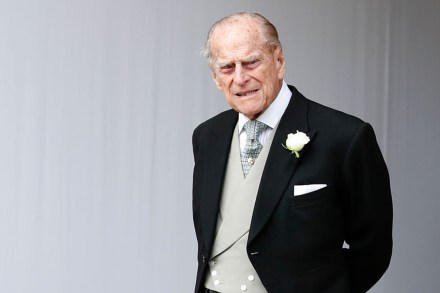
On this week's episode, Philip Eade, biographer to Prince Philip, reads his obituary of the Prince. We're also joined by Dominic Green, Spectator USA's Life and Arts Editor, who reads his article on Prince Harry's new job. Anshel Pfeffer reports on life in Israel under the vaccine passport; and Lionel Shriver on the West's self-doubt and who stands to benefit.
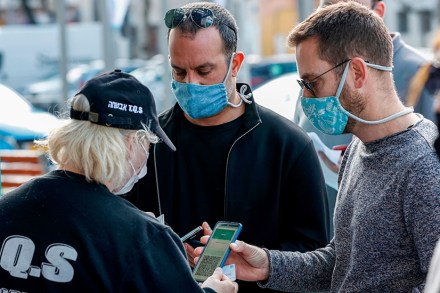
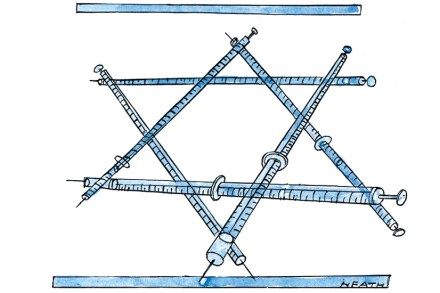
In Israel, vaccine passports are already redundant

From our UK edition

Jerusalem The vaccination centre where I got my jabs was in the cavernous foyer of the Jerusalem Arena, Israel’s largest indoor sports venue. Through the locked glass doors, I could see the seats where my 15-year-old and I spent so many hours cheering on our basketball team. Putting my ear to the door, I could hear the players practising. Last week, we were finally back in the stands after a year’s absence. Fans were allowed in, at quarter of the arena’s capacity. After showing my season ticket, I was then asked for my ‘green pass’, which proves I have been vaccinated. My son, too young for vaccination, had to queue outside for a quick Covid test before joining me.

Netanyahu’s shot at election success

From our UK edition

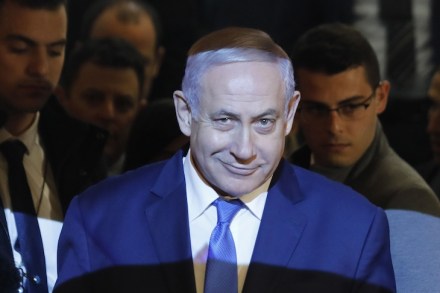
For Israeli critics of Benjamin Netanyahu, myself included, these are rather difficult times. It’s hard for us, or anyone, to deny that he appears to be leading the world in vaccinations against Covid-19. In less than four weeks, two million Israelis — my parents and many friends among them — have received their inoculations. A project spearheaded by the Prime Minister himself promises a return to almost normal life. I’m under 50 and have no underlying illnesses, but am still confident of getting my own vaccine in a couple of weeks. Our world-beating jabbing speed means we have covered 20 per cent of the population. Britain, which has made far more progress than any other European country, has covered less than 5 per cent.

With Trump’s endorsement, Netanyahu may survive

From our UK edition

Benjamin Netanyahu’s face at the online campaign event his Likud party hosted on Wednesday afternoon was pale and drawn. A new series of allegations was coming out from the legal authorities, pounced upon by an eager press, and it was at the worst possible timing. Less than three weeks before the election on April 9, the mysterious sale of shares in his American cousin’s company that had netted him nearly $4 million in 2010, was coming to light. When had he bought the shares? With whose money? Why hadn’t reported his holdings in a conflict of interest memo?

Is Benny Gantz the man who could topple Netanyahu?

Over his last decade in power, Benjamin Netanyahu has easily seen off all challengers. The Labour Party has gone through four leaders during this period, whose main achievement has been to transform the party which founded Israel 70 years ago in to an irrelevant relic. ‘Centrist’ leaders who tried to enter the vacuum left by Labour had their brief moments but failed to threaten Netanyahu’s primacy. Netanyahu has had three key elements working for him. His own personal standing as ‘Mr Security,’ Israel’s only remaining responsible grown-up, with the experience of navigating the country through treacherous geopolitical waters. The base of his Likud party which has held together, despite the growing national fatigue from his overbearing presence.

benny gantz

How Benjamin Netanyahu made the most of the Trump era

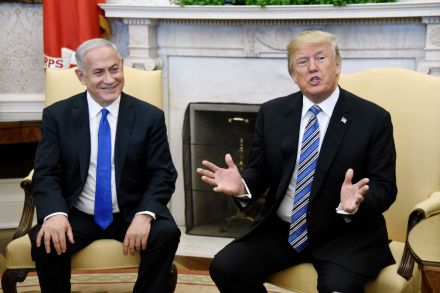
On the morning of November 9, 2016, as world leaders woke up to the Republican candidate’s unexpected victory, only one of them had a previous relationship with Donald Trump. Attempting to come to terms with the president-elect, presidents and prime ministers were frantically putting calls through to the Trump Tower switchboard, hoping to arrange introductory conversations. Benjamin Netanyahu didn’t have to. The two men went back thirty years. When Israel’s prime minister was a dashing ambassador to the United Nations, cutting his swathe through Manhattan, he had been introduced to the upcoming real-estate entrepreneur. Though he and Trump were never close, they remained in contact over the years.