Annie Nightingale

Britain’s forgotten female pop artist 

From our UK edition

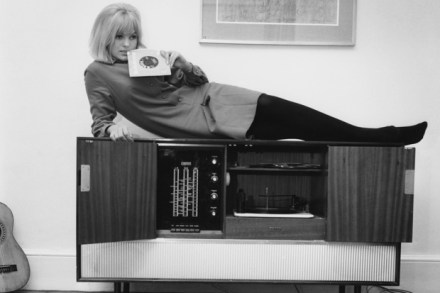
T o describe Pauline Boty as a ‘pioneer’ is a bit like calling someone a ‘one-off’. It’s not an adequate description of her in any way. Pauline was the only female British pop-art painter of the early 1960s. You may not know of her. She died in 1966, aged 28, and her name has remained very much in obscurity ever since. Pauline, in her youth, appeared to have it all. She had movie-star looks, a provocative intelligence and a magnetic personality. ‘She was beautiful, with this marvellous laugh: clever, very bright, very much the early feminist,’ says designer Celia Birtwell, who lived with her. Male interviewers would ask: ‘What’s a pretty girl like you doing in a place like this?


Why are the authorities so keen to stop the young having fun?

From our UK edition

Oh Ed, Ed, Ed, Ed. You have written a magnificent tome, but I am so conflicted about it. Party Lines is more than 400 pages: a quote from Goethe at the start, a lengthy introduction, plus a glossary and an index. But we get into semantics from the beginning. What is dance music now? Practically anything with a beat that isn’t George Ezra or Sam Fender – and they’ve probably got a load of dance mixes on the go as well. There were plenty of unlicensed raves happening even in lockdown, from Blackburn to Primrose Hill This is not a definitive book about dance music. There is, for example, scant mention of the late and supremely influential Andrew Weatherall, chief architect of acid house and the scene that followed.

Annie Nightingale: Five decades of pop culture

From our UK edition

33 min listen

In this week’s Book Club podcast my guest is Annie Nightingale - Britain’s first female DJ, occasional Spectator contributor, and longest serving presenter of Radio One. Ahead of the publication of her new book Hey Hi Hello, Annie tells me about the Beatles’ secrets, BBC sexism, getting into rave culture, the John Peel she knew - and how when most people never get past the music they love in their teens, she’s never lost her drive to hear tunes she’s never heard before.

Reeling and spinning

From our UK edition

It was approximately 4.50 a.m. in Ibiza: peak time on the dance floor. I was on the decks in one of the many sumptuous rooms of the superclub Pacha, spinning breakbeat on vinyl (early Noughties) and warming up for a live broadcast back to the UK. Without warning, a Pacha henchman burst into the DJ booth, grabbed the record I was playing and pulled it off the deck. Then he yanked the headphones off my head. ‘Hey, what are you doing?’ was my astonished response. ‘We are going live on radio in ten minutes!’ This did not cut any ice. Pandemonium ensued. There was a fight on the dance floor between differing factions of the club’s management. I was bustled ‘for my own safety’, live mic in hand, to the basement kitchens for the rest of the night.

The pleasures of Puglia

From our UK edition

If Italy is the elegant, over-the-knee boot plunged into the Mediterranean, then Puglia is the narrow peninsula that forms its spiky stiletto heel. The word that springs to mind regarding Puglia is trullo — miniature stone structures that look like igloos, and in my experience are the ideal devices to convince your kids to holiday with you. Why would they choose an eight-day party in Croatia when they can stay in cute white circular mini-houses, with an infinity pool in front? Even better, you could go for a trulli hotel, complete with that Puglian speciality, the beach pool. And into these beach pools wade the Italians, with their indifferent attitude to bathing in public. They aren’t for exercise.

Wish list

From our UK edition

Compilation schompilation. Having been in music for as long as I have you would think I had a good idea how record companies work. I’ve made two compilations before. But it’s a whole new big thing now in the music world. Ministry of Sound have offices of people whose full-time jobs are about clearing tracks and licencing them for compilations. These are usually for dance music albums, very expertly mixed by specialist DJs. Mine was to be a bit different, spanning 50 years of music. We’d agreed on a three CD release. Ministry said just give us a wish list of around 100 or 150 tracks, and we’ll check on what can clear. They expected many tracks would be refused — permission declined. But actually a surprising number were yeses.