Andy Coulson

Andy Coulson is the former Downing Street Director of Communications, founder of Coulson Partners and host of the podcast Crisis What Crisis?

Reform should be wary of Farage fatigue

From our UK edition

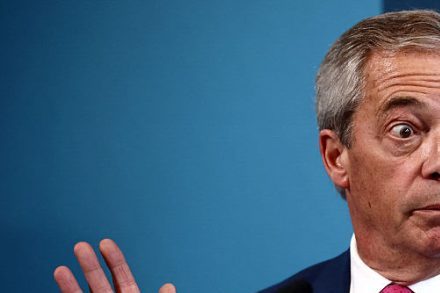
Nigel Farage, who celebrates his 62nd birthday today, has spent the best part of three decades positioning himself as the outsider who might one day break down the door of No. 10. It’s been a remarkable run and he can now declare, with an entirely straight face, that he is the most influential British politician of the 21st century. Since becoming Ukip chairman in 1998, Farage has impacted the political establishment, public opinion and the media in seismic, weather-making ways. That he has done all this without getting close to actual power is, perhaps, the greatest post-war demonstration of effective (but not necessarily truth-based) political campaigning and communications.
What happens after Rupert Murdoch?

From our UK edition

Orderly, understated and out of a clear blue sky. From a comms point of view, Rupert Murdoch’s retirement bombshell was more The Waltons than Succession: a family love-in that truly marked the end of an era. There won’t be another Rupert Murdoch. There won’t be another risk-taking entrepreneur who’ll put their time and money where their mouth is, in support of newspapers in the way Rupert did for more than 70 years. The question those who work on those newspapers will now be asking, of course, will be: ‘How long have we got?’ When it comes to the printed page, Rupert’s departure will accelerate the inevitable countdown of doom. Yes, Lachlan is a news man, like his father. But he’s also a pragmatist.

The BBC should admit its mistake and get Lineker back

From our UK edition

While sports fans this morning are discussing why the entire England rugby team backed Gary Lineker by choosing not to turn up at Twickenham, the drama rumbles on. At its heart, this is a communications crisis borne out of that all-too-often-seen disease of people with important jobs taking themselves far too seriously. First we have Gary Lineker: who, clearly unhappy with his lucrative lot in life, feels the need to get involved in politics. I’m interested in the views of all sorts of people outside of Westminster – including on the deeply complex issue of immigration. But Gary, whilst being one of my go-to thinkers on football, doesn’t make that list.

How Matt Hancock turned a failure into success

From our UK edition

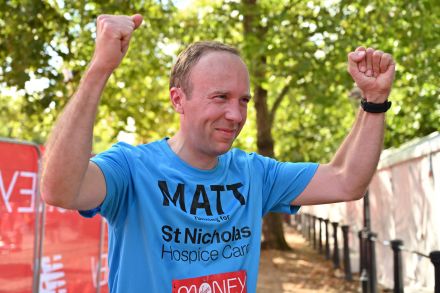
Eating kangaroo penis on live TV will not be the first gut wrenching challenge of Matt Hancock’s career. At the end of a long day in September 2007, Matt walked into my office looking like his dog, cat and pet parrot had all been shot. He closed the door behind him and said: ‘We have a big problem.’ It was the eve of the Conservative Party conference in Blackpool and Matt, myself and the entire opposition team had been working around the clock to prepare a package of game-changing policies to announce. The secrecy of those policies was mission critical. Indeed it’s fair to say that David Cameron’s ambitions to become PM rather rested on it.

‘For the Jenni, not the few’: the anti-Boris attack line Labour missed

From our UK edition

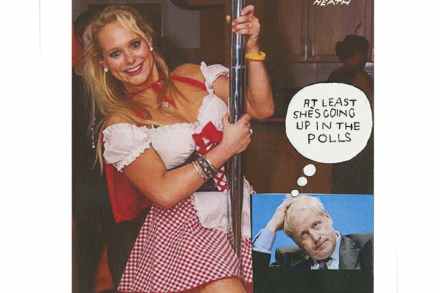
If the age of deference were still with us, the mortuary tag has now been tied to its toe following Prince Andrew’s Newsnight interview. I saw him a couple of weeks ago at a military charity event where he did a good job, showing how the royals frequently but quietly add value to important causes. His performance in front of Emily Maitlis, fast becoming Britain’s best interviewer, was (to put it politely) less impressive. As is often the case, the advisers get a good kicking when such moments go wrong. But it was the words that came out of His Royal Highness’s mouth that were the problem. Boris must be chuffed by the ongoing royal carriage crash.