Andreas Koureas

The fact that collapses the case for slavery reparations

From our UK edition

The case for slavery reparations seems to be growing louder every day. This week, indigenous representatives from 12 Commonwealth countries called on King Charles to begin the process of paying reparations. The King has personally expressed sorrow for the suffering of slaves and Buckingham Palace has said that it is taking the issue of reparations ‘profoundly seriously’. Earlier this year, a former BBC journalist committed to sending £100,000 in aid to the Caribbean to atone for her own family’s historical links to the slave trade.

Britain’s remarkable fight to end the slave trade

From our UK edition

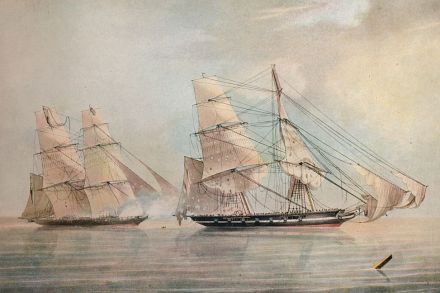
On 20 June 1897 around 2,000 people paraded outside the colonial Government house in the Seychelles. Like many throughout the British Empire, they were celebrating Queen Victoria’s Diamond Jubilee. The crowd held large Union Jacks printed with the words, ‘The Flag that sets us free.’ All had been rescued by the Royal Navy from the East African Slave Trade. Once gathered, a message translated from Créole was given to the colonial administrator, Cockburn-Stewart.

Winston Churchill isn’t to blame for the Bengal famine

From our UK edition

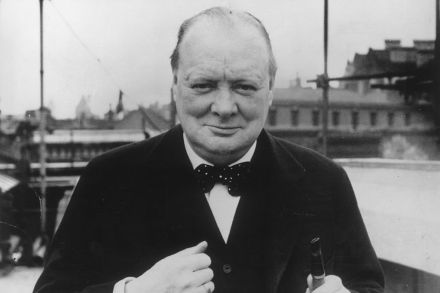
Sir Winston Churchill arguably saved civilisation as we know it. Had Britain capitulated to Germany after the fall of France, the Nazis would have been able to dedicate their entire force to the invasion of the Soviet Union, probably taking the entire Eurasian front. North Africa would have become fascist Italy’s playhouse, with the United States isolated. So it is perhaps no surprise that those who despise Great Britain, its institutions and values, have done their utmost to attack the greatest Briton in history.   In the course of these attacks, Churchill has been painted as a racist and a genocidal tyrant who deliberately starved millions of Indians in the Bengal famine. Nothing could be further from the truth.