Amanda Foreman

Towards Zero: the gruesome countdown to the American Civil War

From our UK edition

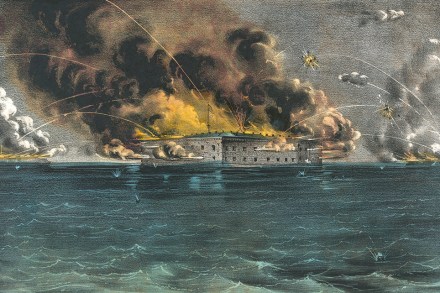
Some 100,000 books have been written about the American Civil War since it ended in 1865. That’s hardly surprising, given the four-year conflict’s impact on society, and not just because of the immense death toll, which new estimates put as high as 750,000 – more than the losses from all other wars combined. The effusion of blood created a new nation and a new mythology, anchored on the principles of freedom, equality and democracy. There is not much room in this crowded field for Civil War neophytes. Erik Larson knows what he is about, however, in The Demon of Unrest – but do his critics? The mixed reception this book has received suggests not.
War of the Windsors

From our UK edition

46 min listen

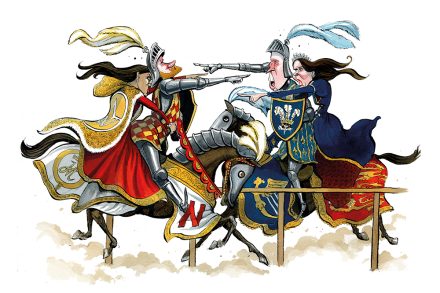
This week: For his cover piece in The Spectator Freddy Gray asks who will win in the battle between the Waleses and the Sussexes. He is joined by historian Amanda Foreman to discuss the fallout Harry and Meghan's new Netflix documentary (01:00). Also this week: Should the House of Lords be reformed or even abolished? This is the question James Heale considers in the magazine. He is joined by Baroness Fox of Buckley to unpack Gordon Brown's recommendation to do away with the second chamber of Parliament (13:14).  And finally: In the books section of The Spectator Chloë Ashby reviews Con/Artist, the memoir of notorious art forger Tony Tetro. She is joined by Tony and investigative journalist Giampiero Ambrossi, who co-authored to book (31:53).

Man of the hour

Last year, more than 6,000,000 people visited the Lincoln Memorial in Washington DC. By contrast, barely 80,000 went to General Ulysses S. Grant’s tomb in New York City. Some would argue that the neglect is no better than Grant deserves. But others, notably Ron Chernow, believe it’s time for a rehabilitation. Why do Americans pay so little attention to the man who beat the South in the Civil War and went on to become the 18th president of the United States? At least part of the answer can be found in the terrible alchemy of war. It spews out vast quantities of lead but, for some people, also spins gold. Grant was a failure in his early life. He was born in Ohio in 1822 to a domineering father and emotionally distant mother.

Diary – 7 January 2016

From our UK edition

So far my responsibilities as the 2016 chair of the Man Booker prize have been rather light. We’ve had our first meeting, received our first batch of books, and I’ve bought a smart notebook for record-keeping. I shall take a step back from journalism this year, including my Sunday Times column, but that doesn’t mean I shall be less active in the fight for freedom of expression. Some things are non-negotiable. I’ve just read Open Letter by the late Charlie Hebdo editor Charb. He finished it two days before his death in the massacre on 7 January 2015. The book is aimed at both religious extremists and their apologists. ‘No form of discrimination,’ proclaimed Charb, ‘is better or worse than any other.

How to marry a prince

From our UK edition

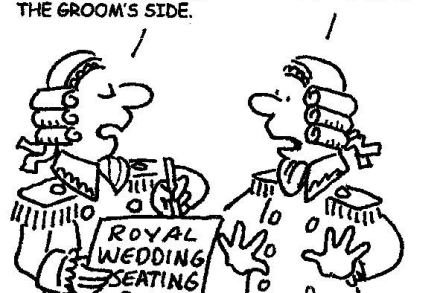
The turbulent but often triumphant record of Britain’s royal weddings is full of lessons for Kate and William The popularity of the monarchy has been slowly improving since the Queen’s ‘annus horribilis’ speech in 1992. But the vital spark needed to win over the country was missing. Not even the Queen Mother’s 100th birthday could fully repair the damage caused by years of controversy and embarrassing revelations. It is only now, with the engagement of Prince William to Kate Middleton, that the monarchy has a real opportunity to remake itself for the 21st century. But first, the handlers and planners for the royal event need to learn from history. Good intentions are not enough.