Alina Chan

Is Congress finally getting serious about investigating Covid’s origins?

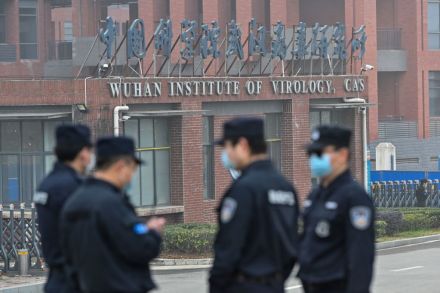
Wednesday’s hearing on the origin of Covid-19 by the select subcommittee on the coronavirus pandemic was long overdue. It has been more than three years since the pandemic virus, SARS-CoV-2, was first detected in Wuhan, China. Yet far too little has been done in the United States to find out how the pandemic started. Separate investigations by US intelligence agencies have led to one assessment of a lab leak with moderate confidence by the FBI, a scattering of low-confidence assessments — the Department of Energy leans toward a lab origin while four agencies lean toward a natural origin — and two agencies undecided.
warp covid origin pandemic

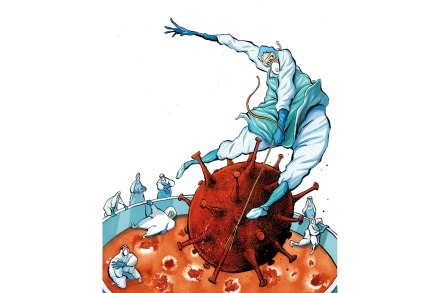
Will 2023 be the year we discover the truth about Covid’s origins?

The search for the origin of Covid-19 has been a story of investigators who suddenly found themselves under investigation. Virus hunters who had spent years successfully tracking the origins of novel pathogens fell under suspicion of having caused the 2019 novel coronavirus outbreak in Wuhan. An international consortium of scientists, including collaborators in the US, had hunted for novel SARS-like viruses in South China and Southeast Asia, collecting tens of thousands of samples from not only bats but animals and people associated with the wildlife trade or living near bat caves. In the lab, the scientists grew or recreated these viruses and made chimeras to understand how they could infect people.

wuhan