Alfie Pearce-Higgins

Alfie Pearce-Higgins is a former aid consultant and part-time journalist.

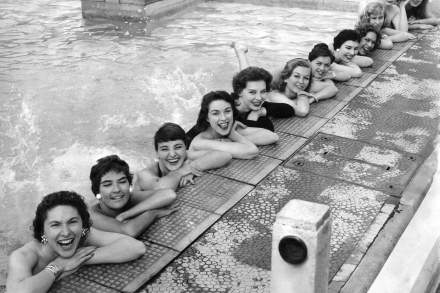
London is due a lido renaissance

From our UK edition

There are 1,000 spaces available for the 6-9 a.m. lane swimming session at Tooting Bec Lido in south London. On Sunday it was fully booked. After a few frantic lengths (at 91m, it is Europe’s longest), we are all shooed out at 8.50 a.m. by the lifeguards to make way for the daytime swimmers. Those slots are like gold dust and sell out within minutes of becoming available. Across London it’s the same story: swimming spaces are a precious commodity. After three heatwaves so far this summer and the warmest June on record for England, it’s easy to see why so many people are craving access to outdoor water. In total, the capital has just 15 lidos (if one includes a couple of ponds). Even the Serpentine is fully booked on good days.

What’s the point of foreign aid?

From our UK edition

The UK signed up to a UN target of spending 0.7 per cent of GNP on aid way back in 1970, but didn’t hit that level until 2013. In 2020, aid spending was cut to 0.5 per cent and last week Keir Starmer reduced it further to 0.3 per cent. This will save about £4 billion which will instead be allocated to military spending. There were predictable howls of anguish from aid advocates at the news, and the development minister resigned. There was also begrudging praise from Starmer’s Conservative opponents. But few seemed to question what the point of aid is, and whether a spending target, at any level, makes sense. Aid spending enjoyed almost universal political support for most of this century, primarily because it served different purposes to different people.