The joy of Japanese puzzles
From our UK edition
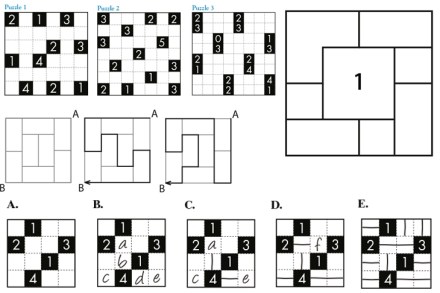
Ever since I first visited Japan a decade ago, I have been fascinated by its approach to maths. The Japanese are, on the whole, more comfortable with numbers that we are in the West. Their elevated numeracy is a result of many idiosyncratic factors. Children, for example, are taught their times tables as a nursery rhyme, which seems to have the effect of lodging the numbers more deeply in the brain. Also, about a million Japanese attend after-school clubs to learn to use the abacus. Another element of Japan’s numerate society is a unique culture of logic puzzles. Japanese logic puzzles — that is, pencil-and-paper puzzles with Japanese names based on grids that you need to fill in — are now known all over the world.