Advertising feature from Smart Meters

Four in ten Britons confused by Energy Price Cap

From our UK edition

With the latest energy price cap due to come in at the beginning of next month, research has revealed that 40 per cent of Britons are still confused by what the cap actually is. In addition, nearly half (44 per cent) of those surveyed are unsure of the difference between fixed rate and variable energy tariffs. Despite this uncertainty, people are still keen to engage with their energy use, with research showing that discussions about energy efficiency, bills and usage take place in households seven times a month on average. Londoners chat about the topic most often, at around ten times a month, while those in Southampton only bring the subject up five times. Those aged 18 to 24 admit that they have energy chats 14 times a month, with those aged 55+ just four times.

This green and powerful land

From our UK edition

Over the past winter, for the first time in decades, concerns about where our energy comes from, and whether we have enough for our needs, have become a public talking point. In Britain we import around 50 per cent of the gas we need – making energy security a particularly pressing issue. What would it take to make Britain energy secure? An energy-secure Britain would have a continuous, affordable supply of energy that could respond to changes in supply and demand. We currently rely on gas to heat the majority of our homes, and to generate a third of our electricity. Reducing the amount of gas we need to import – and making more homegrown energy instead – could improve the longer-term energy security of our country.

Energy security: can we think smarter about making Britain self-sufficient?

From our UK edition

Turning on the kettle for the first cup of tea in the morning, most of us would once barely have considered the energy it would take to heat the water, let alone where that energy came from. But in the past year, rising costs have forced us to learn more about our energy system – and how it’s serving our modern nation. Last month, the Prime Minister created a new department for Energy Security and Net Zero. It will be tasked with securing our energy supply, improving energy markets and seizing the opportunities of net zero. When it comes to energy security, Britain faces two particular challenges: Our dependence on imported fossil fuels – notably gas, which warms most of our homes.

Thinking smarter about climate risk

From our UK edition

COP26 has seen leaders from around the world pledge stronger action on climate change. But while the vast majority of us recognise that a warming planet is a threat to the world, do we know what it means for our lives closer to home? In June, the UK’s independent advisory body on climate change — the Climate Change Committee — published its latest assessment of climate risks to the UK. The report sets out what could happen to the country — and what our lives could look like — if we don’t take immediate action to reduce our emissions. Given rising temperatures are already happening, it’s likely that, by the mid-century, we will be seeing more dramatic weather.

Smart meters can help build a sustainable future – today

From our UK edition

The next two decades will bring many challenges — not least climate change, geopolitical tensions and addressing inequality. Yet, at the same time, a range of revolutionary technologies are set to change much of our lives for the better. Campaign group Smart Energy GB commissioned Foresight Factory, a team of consumer trend experts focusing on the future, to look at how everyday UK residents might go about their lives in 2035. In particular, we wanted to map the sustainability, technology and energy trends that could shape their lives — and the role of smart meters in unlocking these. The report predicts that, in 15 years, many of us will live in fully-automated smart homes, where innovations typically seen in sci-fi films — like domestic robots — are commonplace.

Climate change: a smarter way to engage consumers

From our UK edition

Addressing the threat of climate change will likely be the biggest challenge of our generation. However, research has shown that, despite the increased media focus on net zero, nearly half (44%) of us still feel unsure about what we should be doing. Smart Energy GB has warned that, unless governments and others address this gap in knowledge, our collective net zero efforts may be at risk. The organisation has significant experience of engaging consumers on carbon-saving technologies, through leading a major campaign around the role of smart meters in helping to deliver a cleaner energy system.

Electric vehicles: the smarter route

From our UK edition

The move to electric vehicles (EVs) is already helping the UK reduce its usage of fossil fuels, while also driving down the cost of mobility and improving air quality. But even as growing numbers of people switch to EVs, their benefits cannot be taken for granted. Research estimates that the mass take-up of EVs could see demand for electricity rise around 15 per cent over the next 30 years. If EVs are to realise their full green potential, we need as much of that electricity to come from renewables as possible. Great Britain has already made great strides in the usage of renewable methods to generate electricity, reducing the emissions intensity of its energy supply by 50 per cent in four years. But can this momentum be sustained if demand rises significantly?

The economic case for smart meters

From our UK edition

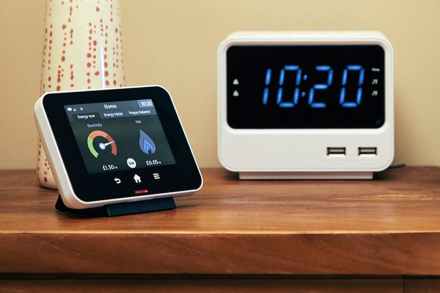
Britain’s smart meter rollout is the biggest change to our country’s energy infrastructure in a generation. This vital upgrade to an outdated, analogue system is creating a decentralised and decarbonised energy network which can help Britain meet its climate change targets, whilst also ensuring customers receive reliable, sustainable and cost-effective energy now and in the future. We’re already seeing how smart meters are helping us take control of our energy use at home. But, on a national level, the information provided by smart meters – which give near real-time information on our energy usage – will help drive a deeper transformation of our energy system, and one which could save Britain billions each year.

Why we need a smart energy system

From our UK edition

The UK has committed to becoming carbon neutral by 2050. But to achieve our ambitious climate targets, we need to change our energy system radically. We need a smarter and more flexible system to supply more renewable, efficient and low-carbon energy to households, and help us all to manage our valuable natural resources more efficiently. It’s called a smart energy system — and the 14.9 million smart meters we are having installed in our homes are playing an integral role in making it a reality. Why upgrade? Our current energy system can’t accurately map the demand from homes and smaller businesses and, as a result, a lot of energy goes to waste between the point of generation and supply to the customer.

The smart energy revolution

From our UK edition

In the past few years, millions of us have switched over to smart meters to better understand the energy we’re using — reducing both our carbon footprint and our energy bills. And as more of us make the switch, these savings have the potential to grow even further. Smart meters are also part of a much bigger transformation of the country’s energy infrastructure — helping build a flexible, decentralised and decarbonised energy system that will contribute to making Britain smarter, greener and ready for our future energy demands. It’s called the smart energy system — and it’s a completely new way of managing our energy. Why upgrade? The first electricity grids were built as one-way streets, enabling power to flow from suppliers to the consumer.

The case for a smart energy system

From our UK edition

Britain is in the middle of the biggest upgrade to its energy infrastructure in a generation. Millions of households have already made the move to smart meters, enjoying a better understanding of their energy usage and becoming part of a cleaner, greener, smarter energy system. SMARTER HOMES Smart meters are helping to build a greener economy — but change begins at home. 36% of the UK’s electricity demand comes from households.Delta-EE, 2019 73% of households with a smart meter have taken at least one step to reduce their energy usage.Smart Energy Outlook report, March 2019 There are already 14.9 million smart meters installed in homes and micro-businesses across Great Britain. SAVE ON YOUR ENERGY A smarter energy system means that we’re all better off.

Britain’s smart energy upgrade

From our UK edition

Britain is in the middle of the biggest upgrade to its energy infrastructure in a generation. Millions of households have already made the move to smart meters — enjoying a better understanding of their energy usage and using that knowledge to change habits, save money and cut their carbon footprint. While householders enjoy the personal benefits of smart meters, many are unaware that by simply arranging their installation, they have played a role in helping to create a decarbonised energy system fit for our growing demands. This flexible new system will play a significant role in Britain’s commitment to reaching net zero carbon emissions by 2050. Smarter and greener Smart meters are a crucial part of a smarter energy infrastructure.