Adrian Wooldridge

America’s Iran gamble – why the Royals could be Britain’s Trump card

From our UK edition

47 min listen

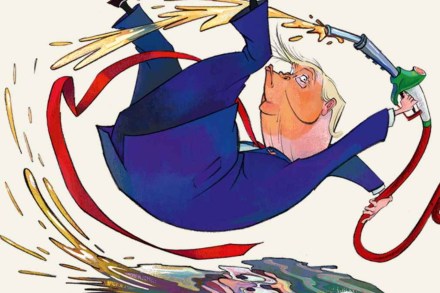
As oil prices rise, the Spectator’s cover story this week – written by deputy editor Freddy Gray – wonders if Trump’s gamble has backfired, and Operation Epic Fury could end up more like Operation Epic Fail. What does it mean to describe Trump’s plan as ‘failing’? And can we judge him by the same metrics that we have judged other presidents? For this week’s Edition, host William Moore is joined by political editor Tim Shipman, Bloomberg Opinion columnist Adrian Wooldrodge and actress and campaigner Sophie Winkleman. Adrian, author of Centrists of the Worlds Unite!, explains why comparisons with the 1930s might not be as hyperbolic as they seem – while Sophie sees logic in using the diplomatic power of Britain’s monarchy.
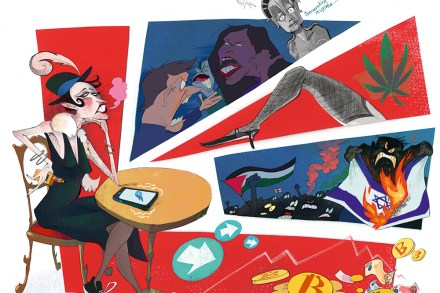
America's Iran gamble – why the Royals could be Britain's Trump card

Those who believe in liberalism must now fight for it

I’m conscious that, just as the easiest way to lose an argument is to mention Hitler, so the easiest way to lose journalistic credibility is to invoke the 1930s. Yet the similarities to our own dismal decade are now too numerous to ignore. There is the same collection of morbid symptoms: the rise of strongmen, the collapse of the political centre, the intellectual organisation of political hatreds. Even more worryingly, there is the same sense of hurtling towards global conflagration. The similarities begin with the disintegration of the international order.

The new elite: the rise of the progressive aristocracy

From our UK edition

40 min listen

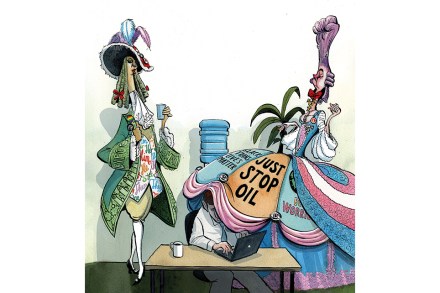
On the podcast this week:  In his cover piece for The Spectator, Adrian Wooldridge argues that meritocracy is under attack. He says that the traditional societal pyramid – with the upper class at the top and the lower class at the base – has been inverted by a new culture which prizes virtue over meritocracy. He joins the podcast alongside journalist and author of Chums: How a tiny caste of Oxford Tories took over the UK, Simon Kuper, to debate (01:04).  Also this week:  In the magazine, ad-man Paul Burke suggests how the Tories should respond to Labour’s attack adverts. Released last week, the adverts have caused a stir for attacking the Conservative's recent record on curbing child abuse, and accuses Rishi Sunak directly of negligence on the issue.

The new elite: the rise of the progressive aristocracy

From our UK edition

In the pre-modern world positions in society were largely inherited. Some people were born with saddles on their backs and others booted and spurred to ride them – ‘The rich man in his castle / The poor man at his gate / God made them high or lowly / And ordered their estate’, in the words of the Victorian hymn. The meritocratic idea was the dynamite which blew up this view of the world and provided the materials for the modern era. But its reign is threatened as never before. The 1960s and 1970s brought a wave of attacks on the meritocracy, starting with criticisms of the workings of the 11-plus exam and then broadening into denunciations of social hierarchy and social mobility.

Rhodes to redemption: why Oxford needs a monument to Benjamin Jowett

From our UK edition

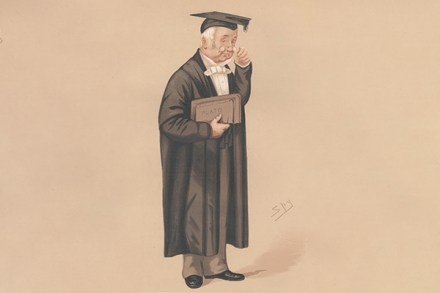
Not since September 1642, when a mob of Parliamentary soldiers opened fire on the sculpture of the Virgin Mary carved into the side of the University Church, has Oxford been in such a fury over statues. The ‘Rhodes must fall’ campaign that started among radical students in 2016 has now spread to the senior common rooms, particularly the SCR of Worcester College which, astonishingly, has taken over from Balliol and Wadham as the headquarters of the workers’ revolution.

The way out: what is the Prime Minister’s exit strategy?

From our UK edition

37 min listen

James Forsyth writes in this week's cover piece that the government 'is going to go South Korean on the virus'. In other words, test, track, and trace. But as James points out, this raises the obvious question of why we weren't doing this already. On the podcast, Cindy Yu talks to James and the Economist's Adrian Wooldridge. Adrian argues that the West is too slow at learning the lessons of elsewhere in the world, a costly mistake as Asian states like Singapore offer instructive lessons in governance. As this global pandemic lays bare the differences of national approaches, it's a timely discussion.

Cameron signals left, but turns right. Can he please now choose a direction?

From our UK edition

[audioplayer src="http://traffic.libsyn.com/spectator/TheViewFrom22_25_Sept_2014_v4.mp3" title="Freddy Gray, Fraser Nelson and James Forsyth on Cameron's radicalism" startat=70] Listen [/audioplayer]It is not mere hyperbole to say that the period between the Conservative party conference and the general election will be momentous. The next election will decide whether we have a chance to vote on Britain’s relationship with the European Union. Both Labour and the Conservative party will try to tackle ‘the English question’ — together with other great issues raised by the Scottish referendum. It is vital that the right David Cameron turns up to these debates.