The smart energy revolution
In association with The Campaign for a Smarter Britain
Advertising features from Smart Energy GB
The economic case for smart meters
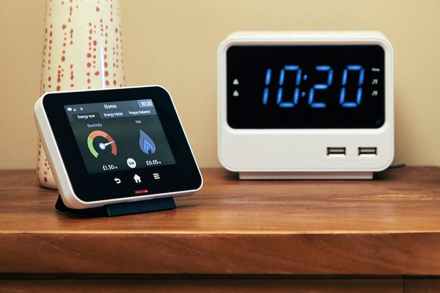
Britain’s smart meter rollout is the biggest change to our country’s energy infrastructure in a generation. This vital upgrade to an outdated, analogue system is creating a decentralised and decarbonised energy network which can help Britain meet its climate change targets, whilst also ensuring customers receive reliable, sustainable and cost-effective energy now and in the future. We’re already seeing how smart meters are helping us take control of our energy use at home. But, on a national level, the information provided by smart meters – which give near real-time information on our energy usage – will help drive a deeper transformation of our energy system, and one which could save Britain billions each year.
Why we need a smart energy system
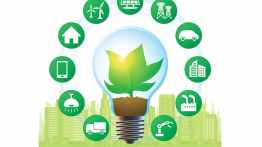
The UK has committed to becoming carbon neutral by 2050. But to achieve our ambitious climate targets, we need to change our energy system radically. We need a smarter and more flexible system to supply more renewable, efficient and low-carbon energy to households, and help us all to manage our valuable natural resources more efficiently. It’s called a smart energy system — and the 14.9 million smart meters we are having installed in our homes are playing an integral role in making it a reality. Why upgrade? Our current energy system can’t accurately map the demand from homes and smaller businesses and, as a result, a lot of energy goes to waste between the point of generation and supply to the customer.
Britain’s energy system needs an upgrade
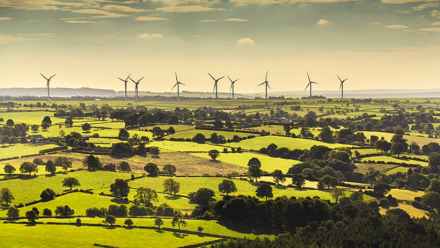
In 1698, the English engineer Thomas Savery patented a coal-fuelled steam engine, and in doing so lit the long fuse of the industrial revolution. Over the next 200 years, coal became the dominant source of power in Britain, outstripping wind, water and labour. In 1882, the world’s first coal-fired electric power plant was opened — and Britain has been emitting greenhouse gases ever since. Is it time we got smarter? In the past 150 years, in becoming wiser to its environmental drawbacks, we’ve slowly fallen out of love with coal. In order to reduce our carbon emissions, the UK has focused on generating more of its energy from renewable sources. But these too have their challenges.
The path to a carbon-neutral Britain
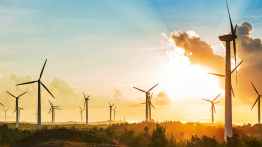
The UK government has committed to reaching net zero carbon emissions by 2050. The target, one of the most ambitious set by a major polluting nation, positions the UK at the forefront of the global drive towards a carbon-neutral future. But what does this mean in practice — and is it achievable? The UN body responsible for climate change — the Intergovernmental Panel on Climate Change (IPCC) — has published a special report assessing what the UK will have to do to reach its goal. It identifies a number of significant challenges.
The smart energy revolution
In the past few years, millions of us have switched over to smart meters to better understand the energy we’re using — reducing both our carbon footprint and our energy bills. And as more of us make the switch, these savings have the potential to grow even further. Smart meters are also part of a much bigger transformation of the country’s energy infrastructure — helping build a flexible, decentralised and decarbonised energy system that will contribute to making Britain smarter, greener and ready for our future energy demands. It’s called the smart energy system — and it’s a completely new way of managing our energy. Why upgrade? The first electricity grids were built as one-way streets, enabling power to flow from suppliers to the consumer.

How smart technologies can alleviate our social care crisis
When it comes to new technology, few concepts seem to get us quite as excited as the Internet of Things. The idea is simple: expanding internet connectivity to everyday items, from thermostats to fridges, thereby allowing them to communicate with our phones, computers and other devices. And it’s quickly taken off. Over the past decade the Internet of Things (or IoT as it is more commonly known) has moved from vision to reality. Head to any department store and you’ll spot everything from home fitness systems that sync your entire exercise routine to security devices which issue smartphone updates. Soon appliances will also be able to work in tandem with smart meters.

Making the most of our electric cars
One of the biggest contributors to our carbon footprint — and one of the clearest symbols of the polluted world we are trying to consign to the past — is our cars. With the average new car emitting 120.4g of CO2 for every kilometre driven, it’s clear we need to make the switch to electric transport sooner rather than later. That means a big shift in how we plan and manage our energy system to cope with the extra demand — and smart meters will play a significant role in making it happen. Last year, 59,911 new electric vehicles (EVs) were registered in the UK, giving EVs a 2.6 per cent share of the market. While it may not sound like much, this is more than a 400 per cent increase — up from just 0.
Smart futures
According to the latest figures, 14.9 million of us have had a smart meter installed at home. Perhaps you’re one of them, persuaded by the promise of cheaper energy bills and reducing your household carbon footprint. But what about the bigger case for smart meters? What exactly makes them so smart and what might a future where every household in Britain is using one — the so-called smart energy system — look like? Those are the questions we’ll be asking in this supplement. James O’Malley explores how smart meters will help us deal with large changes in electricity usage (in this case, the increasing take-up of electric vehicles), ensuring more demand doesn’t mean more fossil fuels.
The case for a smart energy system
Britain is in the middle of the biggest upgrade to its energy infrastructure in a generation. Millions of households have already made the move to smart meters, enjoying a better understanding of their energy usage and becoming part of a cleaner, greener, smarter energy system. SMARTER HOMES Smart meters are helping to build a greener economy — but change begins at home. 36% of the UK’s electricity demand comes from households.Delta-EE, 2019 73% of households with a smart meter have taken at least one step to reduce their energy usage.Smart Energy Outlook report, March 2019 There are already 14.9 million smart meters installed in homes and micro-businesses across Great Britain. SAVE ON YOUR ENERGY A smarter energy system means that we’re all better off.
Britain’s smart energy upgrade
Britain is in the middle of the biggest upgrade to its energy infrastructure in a generation. Millions of households have already made the move to smart meters — enjoying a better understanding of their energy usage and using that knowledge to change habits, save money and cut their carbon footprint. While householders enjoy the personal benefits of smart meters, many are unaware that by simply arranging their installation, they have played a role in helping to create a decarbonised energy system fit for our growing demands. This flexible new system will play a significant role in Britain’s commitment to reaching net zero carbon emissions by 2050. Smarter and greener Smart meters are a crucial part of a smarter energy infrastructure.