XAI

Inside the race to build AI data centers in space

In the 1966 novel Colossus by British author D.F. Jones, a supercomputer (which goes by the name of Colossus) is given control and decision-making power over the US’s nuclear arsenal – a logical and unemotional computer being better placed, it is assumed, to make unemotional decisions than a human. Eventually, Colossus discovers the existence of a similar supercomputer in the USSR and begins communicating with its Russian counterpart in mathematical languages about technological advances beyond human comprehension. Frightened by the possibilities this presents, scientists sever the connection – only for Colossus to threaten to launch nuclear weapons if it isn’t reconnected.

The race to superintelligence

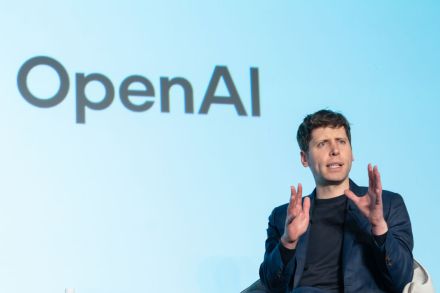
This summer, two of the leading contenders in the great AI race have suddenly, alarmingly, declared that the endgame is in sight and that they’re now spending vast amounts of time and money to try to ensure that their own AIs beat the others. What does winning mean? It means that their models (you know them perhaps as GPT, Claude and Gemini) reach first AGI (human-level intelligence), then superintelligence. No one quite knows what superintelligence will do (we’re not smart enough) but it’s clear that whoever owns the winning model will wield unimaginable power. They’ll dominate the world. A new Alexander the Great. The first to show his hand was Sam Altman, the chief executive and founder of OpenAI, a company he once shared with his former friend Elon Musk.

superintelligence