World wars

The best of enemies: three centuries of Anglo-German relations

From our UK edition

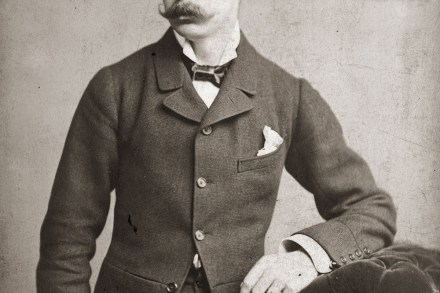
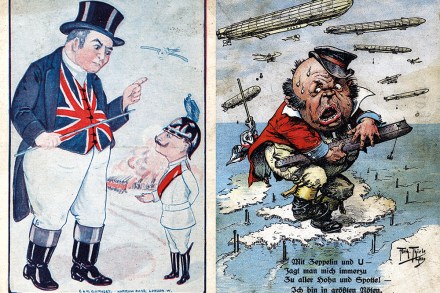
When I moved from Germany to Britain more than 15 years ago, I soon realised how large the two world wars still loomed in the public imagination. My new friends, neighbours and colleagues quipped ‘Don’t mention the war’ and gave me boxes of tissues on VE Day. It was all done in good spirit, but sprang from a cultural backdrop I struggled to understand – until I’d caught up with enough episodes of Fawlty Towers, Blackadder and Dad’s Army to get a sense of what the British-German journalist Matt Frei once called ‘the British obsession with the Krauts’. While often concerned with the second world war, that preoccupation is actually much older; and it is mutual.
No Hungarian rhapsody: Lázár, by Nelio Biedermann, reviewed

From our UK edition

Few first novels, let alone literary debuts in translation from German, arrive with quite so many plaudits – or better covers for those who like horses – as the 23-year-old Nelio Biedermann’s Lázár, which sold more than 200,000 copies on its release in Germany and Switzerland last year. ‘A truly great writer steps onto the stage,’ trumpets Daniel Kehlmann, who is no stranger to great writing: his latest novel, The Director, is on the International Booker Prize longlist. To Patti Smith, Biedermann is ‘gifted’. He is also a scion of the eponymous Lázárs, an aristocratic Hungarian family, making this first foray into fiction a personal project.

The ghost of his father haunts Winston Churchill

From our UK edition

Winston Churchill hoped and expected his autobiography, My Early Life, to be read as much as literature as history, and also as an adventure story. He dedicated it ‘To a New Generation’, and it was especially intended to inspire people in their early twenties. ‘Twenty to 25, those are the years,’ he wrote. ‘Don’t be content with things as they are.’  Aged 56, Churchill was singularly discontented with things as they were. He was out of office and out of favour with his party, and had already entered his ‘wilderness years’.

Love in a cold climate: Snow Country, by Sebastian Faulks, reviewed

From our UK edition

In the months before the outbreak of the first world war, Anton Heideck arrives in Vienna. Family life offered him the prospect of a job in his father’s meat factory, but he goes to the big city to start a career as a writer. What he finds is Delphine. They fall in love, move into a flat, then a house in the countryside outside Vienna; but when war breaks out the fragility of their happiness is brutally exposed. Snow Country moves from this doomed love to post-war Vienna, and to Lena, the daughter of an alcoholic part-time call girl. Lena eventually goes to Vienna, where she comes close to following her mother’s path, before finding work at a sanatorium near to where she grew up.