Woody allen

Takeout with Woody, Soon-Yi and Epstein

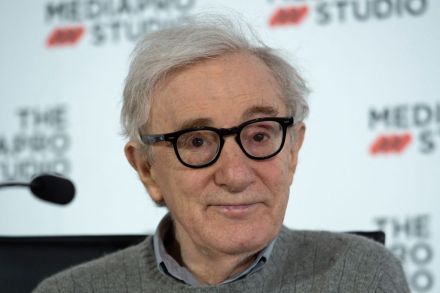
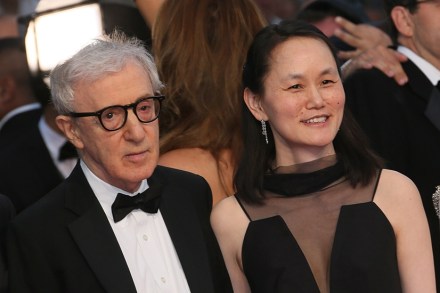
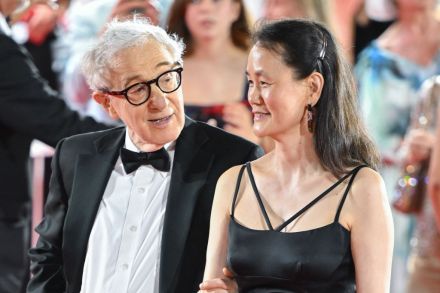
The more salacious aspects of the Epstein files are well known – but what of the banal side of being a billionaire sex pest? It’s no secret Woody Allen and his wife Soon-Yi Previn were close friends with Epstein, as the trove of emails show. One food-obsessed friend of Cockburn alerted us to the non-stop back and forth of emails, spanning years, between Soon-Yi and a coterie of Epstein assistants. The topic? Scheduling dinners at Epstein’s townhouse, along with directions on what Woody and Soon-Yi would like to order-in that night. Soon-Yi does all the ordering and coordinating, as she explains in an email to one of Epstein’s assistants when asked for an email to pass on to private equity titan Leon Black, “Woody doesn’t email but he texts.

Behind Wes Anderson’s infamous sensibility

Woody Allen once sardonically described the fans of his films as being divided between those who liked the “early, funny ones” and the later, darker pictures. Much the same might be said of another famous WA: Wes Anderson, who has established himself as one of American cinema’s most significant auteurs despite no longer living in the country – he hops between England and France. Like most auteurs, his films are more succèss d’estime than they are succèss de box office, but he has the cream of Hollywood lining up to work with him and commands respect among actors young and old. Anderson is rightly celebrated – or castigated – as a visual stylist, but he has enormous flair as a screenwriter Anderson’s visual sensibility is infamous.

Woody Allen’s first novel takes on cancel culture

Say what you like about the actor, director and writer Woody Allen – and people have undeniably been known to – but it takes a certain amount of gall to publish your first novel at the age of 89. Not that Allen doesn’t have form in this regard: he has brought out five collections of short stories, most recently 2022’s Zero Gravity and a 2020 memoir, Apropos of Nothing, which was greeted with horror by the publishing industry and literary critics alike. The New York Post described it as one of “the most tone-deaf, disgusting, bitter, self-pitying, horrifically un-put-downable memoirs since Mein Kampf.

woody allen

In memory of Saul Zabar

On what is controversially called Columbus Day weekend, which this year fell uncontroversially at the end of Sukkot, my wife, daughter and I found ourselves in our native habitat: New York. Naturally, this meant a trip to Zabar’s, though because our daughter is a toddler who travels by stroller when she is not toddling, I decided to make this Saturday different from all other Saturdays: “to” Zabar’s meant this time “up to but, alas, not inside.” After all, weekends are always a madhouse in the country’s most famous “appetizing” store, founded in 1934, but especially so four days after patriarch Saul Zabar’s death on October 7 (of all days) at the age of 97. An awful lot of pilgrims journeyed last week to the mecca of this self-described “lox-smith.

zabar’s

Woody Allen pens new short story for the New Criterion

Manhattan-based literary magazine the New Criterion has published its first ever piece of fiction in its forty-two-year history. The author may raise an eyebrow: it’s legendary and controversial filmmaker Woody Allen. Allen has penned the short story “Breakfast Special” for the magazine's February 2024 edition. Appropriately enough, for both the magazine and the author, it takes place in Manhattan and stars Murray Tempkin, "a slim, bespectacled thirty-year-old writer, who on a good hair day resembles a scientist or an intellectual but should the weather turn humid looks more like some kind of meshuggener." The tale, which centers on a meetcute gone very, very wrong, bears all of Allen's hallmarks: neuroses, humor, romance, social awkwardness.

woody allen

Woody Allen’s non-retirement retirement

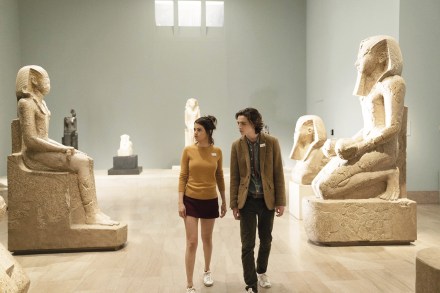
Even if you ignore the endless controversies associated with him, it is undeniably true that Woody Allen has lost his touch. With the partial exceptions of Midnight in Paris and Blue Jasmine, the director has not made a good film since the early '90s. The last few pictures he's made — Rifkin’s Festival, A Rainy Day In New York, and the like — have been seen by so few people that they seem more like self-indulgent home movies than commercial works. Therefore, it comes as no surprise that, announcing his fiftieth film, the Paris-set crime thriller Wasp 22, Allen, at the age of 86, also allegedly said that he expects it will be his last picture. He told the Spanish newspaper La Vanguardia, "My idea, in principle, is not to make more movies and focus on writing.

Why do films get canceled?

Although it’s not exactly my cinematic bag, I understand why people were looking forward to Batgirl. It is a superhero film (as so many are these days), but with a potentially interesting female lead, namely Barbara Gordon, aka "Batgirl," the daughter of Commissioner Gordon, Batman’s ally. The film attracted a starry cast, including J.K. Simmons as Gordon, Brendan Fraser as the sociopathic antagonist Ted Carson, aka "Firefly," and Michael Keaton gamely reprising his Batman role. It cost $90 million, was directed by the filmmakers responsible for the surprisingly entertaining Bad Boys For Life, and might have been expected to be a modest box office hit: at the very least, it should have provided a couple hours of undemanding entertainment.

Blake Bailey deserves to be heard one more time

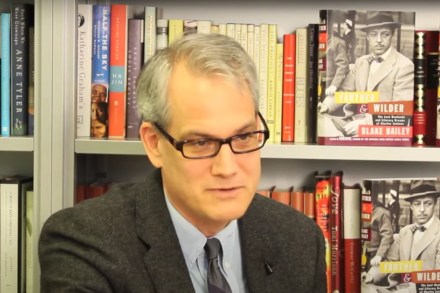
At the beginning of 2021, author Blake Bailey might have been forgiven for thinking that his literary career was not merely assured but stellar. He had gathered significant accolades for his writing, including a Guggenheim Fellowship and the National Books Critics Circle Award, and he was a Pulitzer Prize finalist. He had specialized in writing about heavy-drinking Great American Novelists, including the perennially underrated Richard Yates, John Cheever and The Lost Weekend’s Charles Jackson. His most recent subject was the elusive Philip Roth, a man whose literary brilliance was matched by his checkered reputation both on and off the page. Eighteen months later, matters have changed beyond recognition.

The Spectator’s Books of the Year 2020

Our turkeys were stuffed and now we are too. Reclining helplessly in the recovery position, our thoughts turn to feasts future. What better way to show your friends and family that you love them, and also that you have impeccable taste, than sending them a book? In The Spectator’s stocking-stuffing December issue our staff, writers and friends make their seasonal suggestions for Books of the Year: stack upon stack of the most riotous reads, bibliographical beauties and pandemical page-turners. P.J. O’Rourke The Decline and Fall of the Roman Empire, Volume I, by Gibbon, because in this year of scourge and collapsing polity it seemed apposite. And only Volume I, due to reader fatigue after 582 pages and the shift in Volume II to the history of Byzantium.

books of the year 2020