New York is built on the remnants of its past
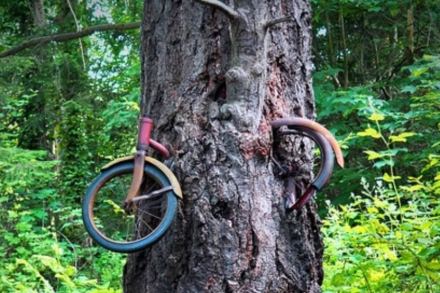
When I walk across the Wakefield Avenue Bridge, high above the Bronx River, the Metro-North Railroad tracks and a long-abandoned patch of woods, I always stop to marvel. Fifty feet from the ground, the skeleton of a child’s bicycle hangs, its frame embedded deep in the tree trunk. Once upon a time, some little boy left his bike in the weeds and a seedling tree on its way skyward simply absorbed it. There’s a technical name for this: edaphoecotropism. It turns out the omnivorous tree beneath the Wakefield Bridge is not alone. A website devoted to “Trees Eating Things” – road signs mostly, but junked cars and even a rifle – serves a “community” of people who celebrate this diet. New York, like most cities, is built on the remnants of its past.