Winona Ryder

The decline of Tim Burton

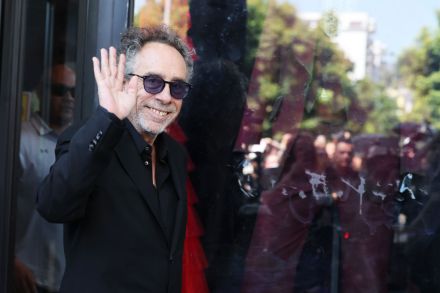
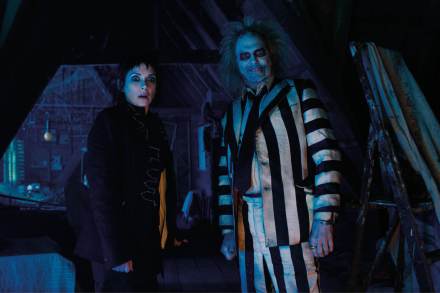
Beetlejuice Beetlejuice — so good, they named it twice. At least, that’s what you would have hoped. Unfortunately, Tim Burton’s latest movie is a dismally confused hotchpotch that aims for a curious mixture of comedy, mild horror and the usual Burton wackiness, along with performances from his regular actors including Michael Keaton, Jenna Ortega and Winona Ryder. Sequel to an Eighties curio that was diverting rather than brilliant in the first place, it has nevertheless capitalized on the ever-present vogue for nostalgia that has permeated theaters over the past few years. It made an astonishing $111 million at the US box office last weekend; the original grossed $75 million worldwide during its entire run at movie theaters, albeit the best part of four decades ago.

tim burton

This month in culture: September 2024

Slow Horses, season 4 Apple TV+, September 4 Apple TV+’s adaptations of Mick Herron’s excellent espionage novels, led by Gary Oldman on magnificent form as the belching, flatulent, brilliant Jackson Lamb, have quietly become the streaming service’s MVP, and their strong showing in this year’s Emmy nominations has reinforced the company’s continued faith in the unmissable series. This fourth installment, based on Herron’s novel Spook Street, guest stars the ever-excellent Hugo Weaving as a mysterious interloper with a close personal connection to Jack Lowden’s bratty Bond-in-training River Cartwright. Expect the usual mixture of big laughs, shocking twists and high-octane action scenes.

Culture

Bram Stoker’s Dracula was a grand and glorious folly

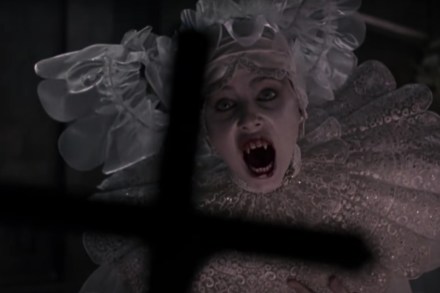
Thirty years after it was first released in America, Francis Ford Coppola’s Bram Stoker’s Dracula is returning to theaters, appropriately enough for a Halloween re-release. (It also serves as a soft preview for Coppola’s newly announced passion project, Megalopolis, an epic drama starring Adam Driver and Aubrey Plaza.) It is hard to overstate what a difference the past three decades have made in Dracula's popular reception. Although it was a significant commercial hit upon release, thanks in part to Annie Lennox’s enormously popular theme tune "Love Song For a Vampire," it was critically derided as poorly acted, overblown, excessively bloody without being frightening and a travesty of the original novel.