My son was murdered after whistleblowing on OpenAI
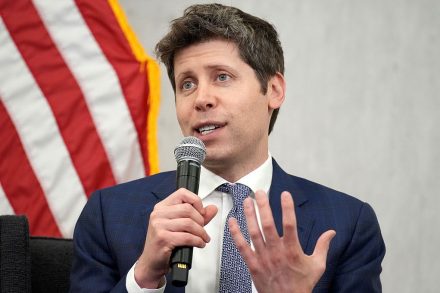
When Tucker Carlson sat down with OpenAI founder Sam Altman in an interview aired last week, the conversation took a dark and frosty turn when Carlson raised the death of a former OpenAI researcher. Suchir Balaji, who exposed the company’s systematic theft of copyrighted work, was found dead in his San Francisco apartment last November. Altman called it “suicide.” Clearly unconvinced, Carlson asserted that Balaji was "definitely murdered.” Altman was offended by his insinuation and described the death as a "great tragedy," saying he was "really shaken" by it. But Balaji’s grieving mother, Poornima Rao, is very much in agreement with Carlson.