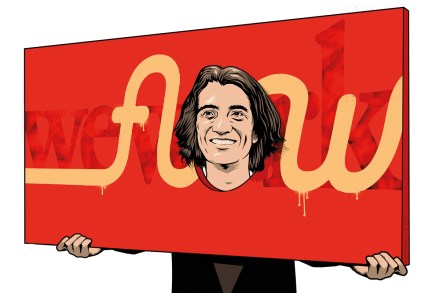
Wework

Masa Son: the world’s most reckless investor

For a few days in February 2000, Masayoshi Son was the richest person in the world. A risk-taker and showman, universally known as Masa, he had long been disdainful of Japan’s staid "salaryman" business culture and was riding the wave of dot-com mania. His company SoftBank, founded in 1981, had bet big on the growth of online shopping. The bullish mood didn’t last, and Masa slunk away from the limelight — but only for a while. A techno-optimist, the now sixty-seven-year-old has repeatedly reinvented himself, urging doubters to see beyond the immediate: "You’re limiting your field of vision to thirty years… Start bold and think 300 years ahead.

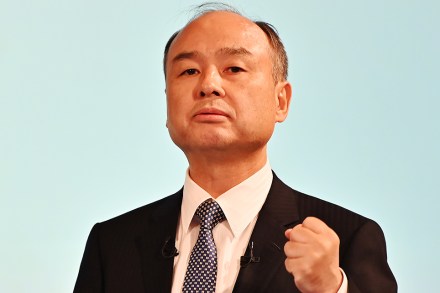
Masa

Inside the unlikely return of WeWork’s Adam Neumann

Imagine for a moment you are Adam Neumann, the slick, smooth-talking Israeli-born entrepreneur who took the world by storm thirteen years ago with WeWork, his ultimately failed effort to rethink the way we office. After your start up took a tumble and your IPO failed, you nonetheless walk away with roughly $600 million in cash, plus another $400 million loan, and a new lease on life. You head underground, lick your wounds and claim to be trying to learn from what went wrong, including the relentless overhyping, the mismanagement and the enormous losses that your investors suffered. When you re-emerge, you decide to start again and persuade one of Silicon Valley’s most respected investors to back you. Whoa.

Neumann

WeWork is what happens when New York and Silicon Valley collide

When I moved to New York City in 2006 to take a job in digital media, it seemed like you could fit everyone who worked for a startup or online media outlet in the city into a single room. If you worked in 'technology', you probably worked for a telecom, Bloomberg LP, or maybe an advertising technology company. New York’s startups in the original tech boom had been notably flimsier than those in the Bay Area, so few had made it through the early 2000s, and then there had been the September 11 terrorist attacks. For those of us who actually did work for startups (or in proximity to them, as I was a satellite-office journalist covering the industry for a Bay Area-based outlet) we had a distinct inferiority complex in a city that notoriously likes to be second to no one else.