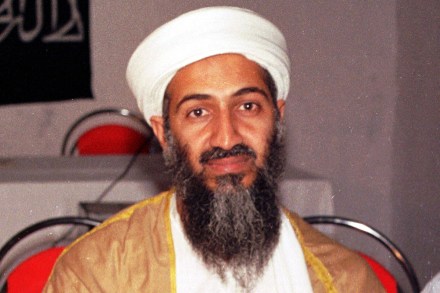
When will we learn the truth about Saudi involvement in 9/11?
Will Saudi Arabia ever be held to account for the 9/11 terror attacks? For decades, the Kingdom has successfully parried lawsuits in the United States accusing it of providing logistical and financial support to a network of Islamic extremists who launched a global terror campaign, culminating in the September 11 attacks on the Pentagon and the World Trade Center. Those attacks occurred 24 years ago and since then survivors and victims of the 9/11 hijackings have had to counter not only vigorous Saudi denials mounted by their well-funded American legal team but also repeated attempts by the US government to thwart the lawsuits. But there are signs the pendulum has begun to swing the other way. On August 28, US District Judge George B.