Wages

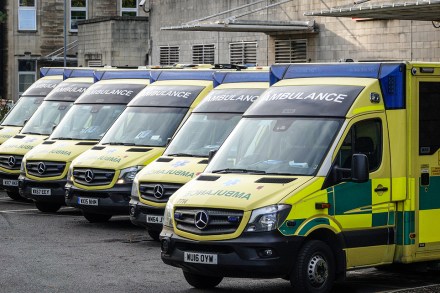
Where were the longest A&E waits?

From our UK edition

The bare platform A 112-space car park built to serve the railway station in the Cambridgeshire village of Manea was used by just three cars in its first week. — The station, formerly a ghost station with one train a week, has been revived but even so is only served by two trains every hour. — Yet had it not been for the Civil War, it could have been the capital of England. Charles I planned an English Versailles there, surrounded by a great city called Charlemont – all built on land reclaimed from the fens. Thanks to the war, however, nothing ever got built. — The name Charlemont lives on as a cul-de-sac in the village (population 2,000) where you can buy a modest four-bedroom detached house for £400,000.
Stop trying to make Bidenomics happen

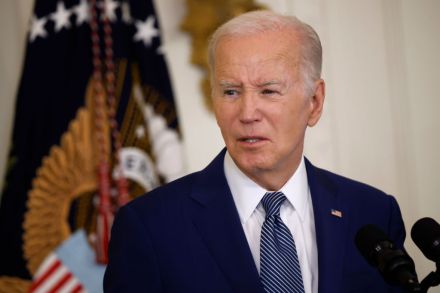
The president is hitting the road this week to kickstart a big push to sell his economic track record. The nation, barely recovered from the excitement of the first “Investing in America” tour earlier this year, will be treated to another few weeks of cabinet members in hardhats talking about green jobs. A memo from White House advisors Anita Dunn and Mike Donilon warns that Biden, cabinet members and other administrators “will continue fanning out across the country to take the case for Bidenomics and the president’s Investing in America agenda directly to the American people.” (Take shelter!) On Wednesday Biden will give what the White House is billing as a “major speech” touting his economic policies.

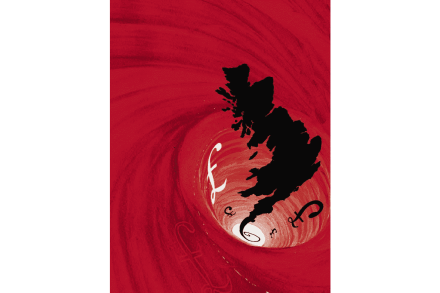
Is Britain heading into a wage-price spiral?

From our UK edition

Are wages about to spiral out of control? Boris Johnson certainly thinks there’s a risk. Last week he warned that the economy was ‘steering into the wind’ and that the UK could be entering a 1970s-style malaise. With inflation shooting up to 9 per cent – and expected to go higher still – rail workers are embarking on the first of three days of industrial action today, demanding a minimum pay rise of 7 per cent. Network Rail has offered just 2 per cent, with the potential for an extra 1 per cent on top if they can meet productivity targets later this year. Barristers too have voted for a walkout, and teachers and doctors are threatening to join the strikes.

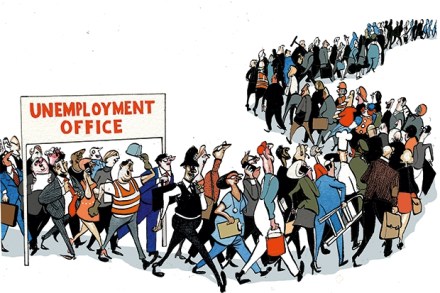
Unemployment is low – so why aren’t wages improving?

From our UK edition

For the first time ever, the number of UK job vacancies – now almost 1.3 million – has overtaken the unemployment count. Normally, this would lead to people in work feeling much better off, and lead to pay hikes and bonuses as employers compete to recruit and retain employees. But in fact, regular pay in real terms (that is, after inflation and before bonuses) is down 1.2 per cent – fuelling the cost-of-living crisis that is now the central fact of British politics. What’s going on? In short, today’s ONS labour market overview is yet another example of how inflation can ruin otherwise good news. Total salaries are up 7 per cent and unemployment fell to 3.7 per cent in Q1 (a record low not seen since the mid 1970s).

The post-Brexit bounce seems to have stuck, for now

From our UK edition

The post-election economic bounce appears to be more than a fluke. Positive news came in waves this week, as data for employment figures, weekly wages and economic activity painted a good picture for newly-Brexited Britain. People are in work and wages are finally back on track. Employment has hit a new record high (76.5 per cent) while unemployment has dropped to a new 44-year low, at 3.8 per cent. Most notably, weekly wages are (finally) back to their pre-financial crash levels ie, the highest since March 2008. And yes, it has taken a very long time get here – it has been the slowest wages recovery in economic history – but the pre-crisis target has been surpassed years before forecasters like the Institute for Fiscal Studies predicted.