Vertigo

Confessions of a Sight and Sound voter

As a film critic and historian who's written for Sight and Sound since 2011, I like to think that the greatest films of all time are always on my mind, but, in truth, they were particularly on my mind last summer. Last July, I received the official word that I was among the select group of critics picked to partake the Sight and Sound critics' poll to decide the greatest films ever made; a survey the British magazine first convened in 1952 and has repeated on a once-per-decade basis ever since. In the weeks before my deadline to vote, I meditated on what constituted a great film with unusual intensity and self-reflection.
sight and sound

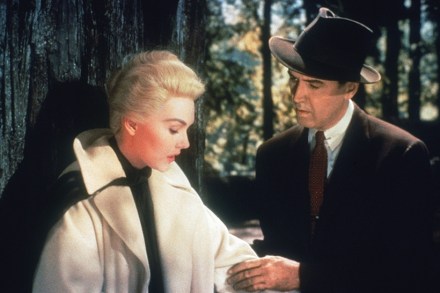
Why does anyone still rate Vertigo and its creepy, wonky plot?

From our UK edition

Here’s something that may interest you. Or not. (Could go either way.) I was looking over Sight & Sound’s ‘100 Greatest Films of All Time’, which has Alfred Hitchcock’s Vertigo (1958) at number one, having knocked Citizen Kane from the top spot in 2012. (That film always did need a more exciting reveal; would it have helped if Rosebud had turned out to be a massive fireball or dinosaur egg?) But back to Vertigo, which is now the best film ever made. Really? That worried away at me. Who rates this film and why? The storytelling isn’t up to much. It drags and drags. (The first half is a dull schlep around San Francisco as we follow the world’s most obvious stalker.) It’s riddled with plot holes. It’s creepy, but not in a good way.