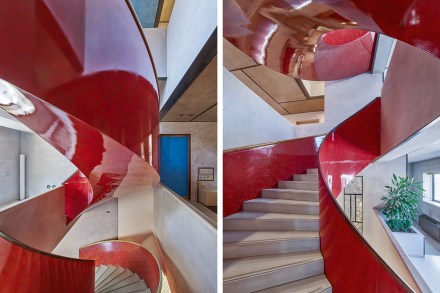
Carlo Scarpa’s artful management of light and space
If Carlo Scarpa were as well known as Le Corbusier, modernism might not be so reviled. This architetto poeta grew up in Vicenza, whose 21 buildings by Palladio surely had a formative influence on his fast- evolving artistic intelligence. Scarpa studied building design at university, but, instinctively disobedient, never bothered with a licence to practise as an architect. So connected was he to his native territory that when Frank Lloyd Wright first visited Venice in 1951 he insisted on Scarpa being his guide. Most of Scarpa’s working life was spent in the Veneto, but he died in 1978, aged 72, in Sendai, Japan, after falling down a flight of concrete stairs. This added his own distinctive chapter to the story of curious deaths of great architects.