Vegans

Why Eleven Madison Park had to put meat back on the menu

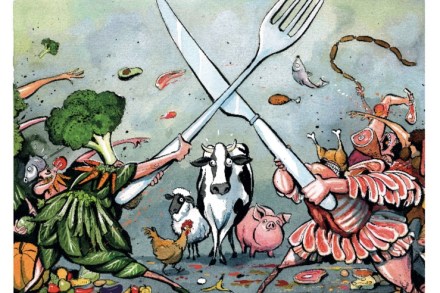
Eleven Madison Park, perhaps the finest of New York’s fine-dining establishments, is adding select meat dishes back to its prix fixe menu after an ill-fated foray into veganism after the pandemic. Chef Daniel Humm announced the move in the New York Times, citing all the predictable reasons for ditching a plant-based menu. First and foremost: the finances. “It’s hard to get 30 people for a corporate dinner to come to a plant-based restaurant,” Humm told the Times, noting the negative feedback from diners over the years. Still, he framed the move in moral terms, explaining how he didn’t “realize that [the vegan menu] would exclude people.” To this, I can only muster an eye roll.

Eleven Madison Park
vegan

Why I was right to ban vegans

I remember the day I heard my culinary hero Daniel Humm had decided to make Eleven Madison Park’s menu plant-based. It was as profound as the day Princess Diana died and as pivotal as the birth of my first child, Lily Elvis. The news tore the joy from my heart as well as all the love and respect I had for Humm. The toil, tenacity and sheer stamina it took him to earn his three Michelin stars is extraordinary. Who am I to criticize one of the greatest chefs alive today? I’m a nobody. Yes, I’ve worked at three-Michelin-starred restaurants, served Queen Elizabeth II and starred in the BBC’s Great British Menu but I’m just a cook: nothing more and nothing less.

The new Dada movement

I first came across the food influencer Samah Dada while searching for gluten- and dairy-free dishes. Dada, a twenty-eight-year-old food influencer with regular segments on the Today show, a cookbook, and a 400,000-follower Instagram account, somehow makes being a gluten-free vegan who doesn’t drink look fun. Her skin and hair are positively radiant with nourishment and nontoxicity; she looks very well-hydrated. Hoping to achieve some of this plant-based glow for myself, I headed to the Instagram account DadaEats and tried to eat like Dada. I started with the desserts, simply for the economy of scale: check out of the grocery store with almond butter, dark chocolate chips, rice cakes, maple syrup and dates, and you’ll be able to make almost any of her no-bake desserts.

Dada

The rise of avocado anxiety

When the gastronomes of the future come to choose the food that best represents our age, they will choose the avocado. The ubiquitous fruit is everywhere: in smoothies, on toast, served at breakfast, lunch and dinner, on t-shirts and all over social media. It represents our ingenuity in supplying exotic fruit to every corner of the globe all year round, our obsession with “clean” eating, our aspiration to eat brunch and our love of anything that — even passingly — tastes a little bit like butter. But it also represents our greed, our hypocrisy, our vanity and our overwhelming anxiety.

avocado

When vegans are worthy of our disdain

Celebrity chef John Mountain made headlines last week for banning vegans from his restaurant, Fyre, citing “mental health reasons,” reportedly because a vegan customer complained about Fyre’s lack of plant-based menu options. Meanwhile, a vegan landlord in New York City forbids tenants from cooking meat in his $5,750-a-month apartments. What’s the deal with vegans? Are they all self-obsessed, birdseed-eating eco-warriors who are only able to wash down “cheese” made of arrowroot with a massive dose of ego? Or are they disciplined, clean-living champions whose commitment to the cause merits our admiration and imitation? Had you asked me my opinion of vegans a few years ago, I would have scoffed and made a soy boy joke.

Are you man enough to eat raw offal?

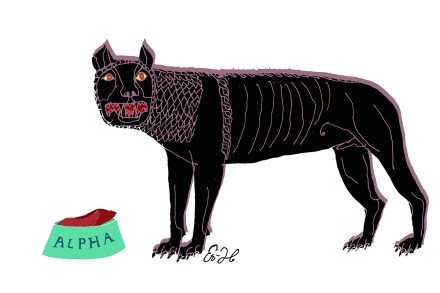
The dominant wolf gets the liver, at least according to the podcaster Joe Rogan. In one episode, a bodybuilder called “CarnivoreMD” (real name Paul Saladino) tells him: “If you eat liver, you get to be an alpha male... or alpha female.” Offal has taken a markedly macho turn in recent years. No longer consigned to memories of the postwar school cafeteria, organs have become the preferred food of a certain type of gym bro. The word “offal” implies wastage — from the Middle Dutch for offcuts — but it can also be a delicacy. Foie gras is only the most obvious example. For the most part, though, the West has become squeamish about what was once called “variety meat.” But a new wave of offal-lovers is reviving an interest in organs.

offal

My vegan hell

This article is in The Spectator’s February 2020 US edition. Subscribe here. The children are eating eggs and bacon by the time I make it downstairs. A pair of frozen hash browns sits lonely on the plate at the head of the table. They have been cooked in a separate pan, one greased in vegetable oil rather than butter. I scold myself for the bitter glare I cast upon the urchins crying ‘Good morning, Daddy!’ They cannot know that the crisp pork fat and fried eggs lie on their plates only because Daddy has agreed to go vegan for the amusement of Spectator readers. The English never seem to tire of starving the Irish. At least there are potatoes this time around. Vegans forsake leather in their belts, wool in their coats and any animal product in their mouths.

Vegan