Van morrison

Van Morrison is sounding better than ever

From our UK edition

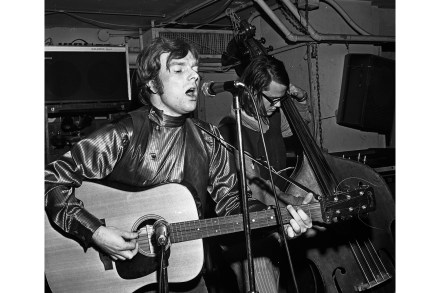
There is a website called setlist.fm which allows its users to vicariously attend pretty much any concert. Search the name of an artist and a comprehensive history of their live performances will appear, spanning decades long gone to the hour just past. Setlist.fm is both a useful resource and a massive spoiler-fest; the music equivalent of skipping to the last page of a book. Those planning to see a band can discover in advance most of the songs they are likely to hear. Those whose interest starts waning mid-gig can check to see how many songs are left. Those who stayed at home can soothe themselves with the thought that the artist failed to play all, or indeed any, of their favourite tracks.

The quiet radicalism of the Chieftains

From our UK edition

Pop quiz time: which act was named Melody Maker Group of the Year in 1975? The answer is not, as you might expect, some testosterone-fuelled blues-rock outfit or a hip gang of proto-punk gunslingers, but a gaggle of semi-professional Irish musicians who performed trad tunes sitting down, dressed for church in cardigans, sensible shoes, shirts and ties. The Chieftains were so far from rock and roll they met it coming back the other way. On the cover of Irish Heartbeat, a later collaboration with Van Morrison, they could be mistaken for a loose affiliation of farmers, minor office clerks and earnest ornithologists waiting for a bus outside the town hall. It was a brilliant disguise. The Chieftains wore their radicalism lightly, but radical they were.

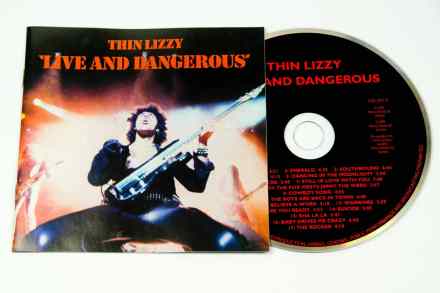
The death of the live album

From our UK edition

Next week The The release The Comeback Special, a 24-track live album documenting the band’s concert at the Royal Albert Hall in June 2018. Meanwhile, Steely Dan’s last man standing, Donald Fagen, has just released two live albums recorded in 2019. Their musical qualities notwithstanding, these releases feel like relics from a lost world. Much like the fondue set, the live album is much reduced from its 1970s and 1980s heyday, when a pretty blonde sideman-turned-solo artist called Peter Frampton could somehow shift eight million copies of the anodyne Frampton Comes Alive! The stand-alone contemporary live album is now an endangered species; MTV’s Unplugged series in the 1990s offered a final down-home twist on the format.

Van Morrison is a sane man in a mad world

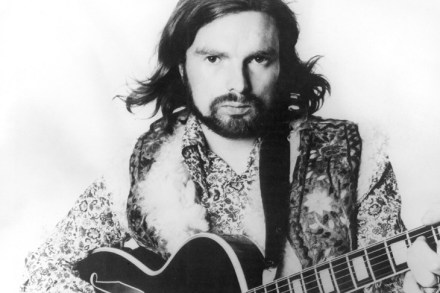
The dopes with tropes are at it again. This time, their target is Van Morrison. But Sir Ivan is, as Billy Joel would say, an innocent man. Morrison has been called a crank and anti-Semite because of the lyrics to his new single, ‘They Own the Media’. The Guardian, which really does have a problem with Jews, has called him a tinfoil milliner. The Forward, which used to be a serious Jewish paper, claims that Van’s title ‘espouses a classic anti-Semitic trope’. No, it doesn’t. What the lyrics say is that our media are owned by a small number of people. That their outlets habitually lie to our faces. That they want us to believe that ‘ignorance is bliss’, so let’s leave the decisions to the experts. And that we’ll ‘never get wise’ until we look behind the curtain.

van morrison

The sermons poked out of the songs like busted bed springs: Van Morrison livestream reviewed

From our UK edition

Over the decades, Van Morrison’s role within the tower of song has shifted from chief visionary officer to head of complaints. It’s not a promotion. The title track of his new album, Latest Record Project, Volume 1, is a rebuke to those who insist on living in an artist’s past rather than his present. A laudable sentiment, perhaps, but one less easy to put into practice when Morrison’s present consists of 28 tracks which hone an already ornery world view to a paranoic peak. When he isn’t griping about his divorce he’s peddling half-baked conspiracy theories, sneering at internet users and ‘media junk’, and bitching about modern music, crooked politicians and false prophets.

Spiky, sticky, silly: interviewing Van Morrison

From our UK edition

Q: ‘How would you define transcendence?’ A: ‘Well, how would you define it?’ I interviewed Van Morrison last year. (I’m fine now, thanks.) While the exercise wasn’t quite the near-death experience of industry legend — he was polite and accommodating, if not always exactly forthcoming — it got sticky at times, as the above exchange illustrates. Let’s call it a solid 6.5 on the Lou Reed Scale. Morrison, who turns 75 on the last day of this month, was formed in an age when a people-pleasing public persona wasn’t essential for musical success.

Meet Dion, one of the last living links to the earliest days of rock ’n’ roll

From our UK edition

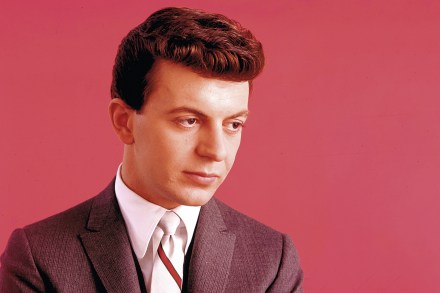
Only two of the Beatles’ pop contemporaries are depicted on the cover of Sgt. Pepper’s Lonely Hearts Club Band. One is Bob Dylan. The other is Dion DiMucci. In a pleasing third-act twist, Dylan contributes the liner notes to Dion’s new album Blues With Friends — an act of deference that the recipient is still processing. ‘I asked him, I didn’t know if he had the time, but he sent me back those paragraphs and said that I knew how to write a song.’ He whistles. ‘That’s from a Nobel Prize winner. I thought, I’ll take it, I’ll take it!’ So he should. Dion — like Kylie, a single moniker suffices — is one of the last living links to the early days of street-corner rock ’n’ roll.

In 1968, even Boston was ankle-deep in LSD

‘And this is good old Boston/, The home of the bean and the cod,’ John Collins Bossidy quipped in 1910, ‘Where the Lowells talk to the Cabots/, And the Cabots talk only to God.’ Also home, in 1968, to Mel Lyman, a folk musician turned LSD guru who believed he was God, and to Van Morrison. The music business abounds with stories about Morrison being grumpy. In my experience, he’s perfectly reasonable. You’d be grumpy if your job obliged you to consort with thieves, liars and drummers who can’t keep time. You’d be especially irritated by people asking how you wrote Astral Weeks. Sensibly, Morrison explains that Astral Weeks was written by a different person living, as its title song says, ‘In another time/ In another place.