Vaclav Havel

What do we mean when we talk about freedom?

From our UK edition

When the Yale historian and bestselling author Timothy Snyder was 14, his parents took him to Costa Rica, a country lauded for its conservation of natural resources that is rated freer and happier than the United States. He recalls feeling liberated and unfettered as he hiked in cloud forests with his brothers, seeing monkeys, sloths and spectacular birds. One day, a local friend led the boys on a mysterious quest to view something special; after walking for three hours through a maze of paths, they arrived at a cascade hiding a cave, where they could gaze out at the green world through curtains of falling water.

The new inequality

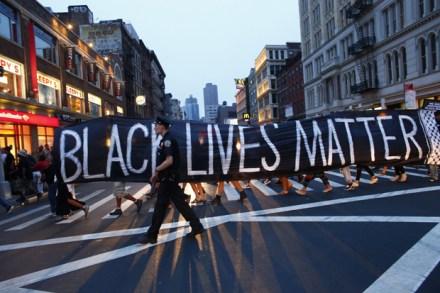
It is a strange habit, the American one of making talk-show hosts into preachers. There is no good reason, after all, why a comedian should be any kind of arbiter of morality or anything much else. Yet in America the court of public opinion accepts the right of the jester to preach the homily too. So it was that, in a period not short on ‘personal takes’ and celebrity messaging, one night in early June on his Late Late Show, James Corden delivered a teary monologue about race relations in America. Lots of people thought he did well, and praised Corden’s talk of ‘white guilt’ and all manner of other sins. But one phrase stood out for being especially bogus. It was a phrase that was widely quoted.

race