Uk politics

New figures show Cameron’s net migration target in tatters

From our UK edition

Today’s news that lots of people want to come and work in a free, welcoming country with many opportunities and a growing economy is actually very bad news. Not for the economy, or those people, or probably the country, but for the politicians who thought it would be sensible to pledge that by the 2015 election, net migration would be in the ‘tens of thousands’. Today the Office for National Statistics reveals that net long-term migration to the UK was estimated to be 298,000 in the year to September 2014, up from 210,000 in the previous 12 months. Overall 624,000 people immigrated to the UK in the year ending September 2014. Net migration of 298,000 is not squeaking close to the target of tens of thousands.

Podcast: the SNP threat to Westminster and the myth of a house building crisis

From our UK edition

Are the SNP poised to become Westminster’s kingmakers? On this week’s View from 22 podcast, Alex Massie discusses this week’s cover feature on the role the Scottish nationalists could play after the next general election. If the SNP wipe out Labour north of the border, will questions about the future of the union be back on the table? How is propping up a Labour government second prize for the SNP? And are the Scottish elections in 2016 more important to Scottish labour than this year’s battle? James Forsyth and Isabel Hardman also discuss why the upcoming election will not be very general. Are any of the parties planning to fight a national campaign? Do the opinion polls say anything relevant about the state of the campaign?

Zac Goldsmith: How my dad saved Britain

From our UK edition

In recent weeks Ed Balls has been offering a new reason to vote Labour: it was his party, he says, that saved Britain from joining the euro. Now, the shadow chancellor is free to say what he wants — and in a way, I’m pleased that he feels the need to convey such an impression. But the true story of how Britain was saved from the euro is somewhat different. It all happened nearly a generation ago, between 1995 and 1997, when I was in my very early twenties. It was my father, James Goldsmith, who set out to ensure that Britain would never join the euro without the consent of the people. He dedicated the last years of his life to the cause. My mother campaigned in his constituency for 12 hours every day.

How Labour’s 50p tax trick has ended up helping George Osborne

From our UK edition

Last week’s public borrowing and tax-receipt figures, headlined ‘Chancellor hails biggest monthly surplus in seven years’, received considerably less attention than the employment and wage-growth numbers a week earlier, underlining my belief that voters care a lot less (or indeed not at all) about the intangible ‘fiscal deficit’ and its implications than they do about their own prospects and spending power. And rightly so. Failure to shrink the deficit at the rate he first promised is nevertheless the one major issue on which George Osborne is seriously open to criticism as Chancellor. But what matters in political terms at this stage is that borrowing this year is 7.

Labour unsure about health policy its own councils support

From our UK edition

The announcement today that Greater Manchester will receive full control of health spending - worth £6bn - has left Labour in a rather interesting position. On the one hand, it is easy for Andy Burnham to say that this sounds ‘like yet another NHS reorganisation’. But on the other, Greater Manchester includes a number of Labour councils who appear pretty happy to sign up to the provisional deal. Indeed, one of those councils is Wigan, which covers Burnham’s own constituency. Now one of the reasons that spending has been devolved to this area is that councils in Greater Manchester are keen, forward-looking and ambitious.

PMQs: Second jobs, lobbying and ‘obsessive crackpots’

From our UK edition

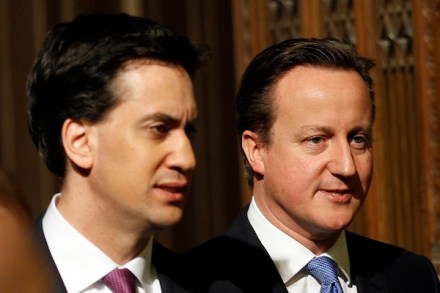
Ed Miliband boxed cleverer than David Cameron at PMQs today and came out with a comprehensive points victory. Miliband went, predictably, on the whole issue of second jobs for MPs. Cameron, equally predictably, responded that the Labour proposal wouldn’t deal with MPs being paid Union officials. Miliband then, nimbly, said that he’d be happy to amend it to make it clear that this was banned too at which point Cameron was pinned back on the ropes. He was left trying to make his way through the session with increasingly strident references to the influence that the unions have on the Labour party. Now, personally, I think Miliband is wrong on the substance.

The Tories need to put Boris front and centre of the campaign — the numbers prove it

From our UK edition

Have you seen Boris Johnson? The Mayor of London has been surprisingly absent from the Conservatives’ floundering campaign so far. He was not chosen to be member of the core team fronting the campaign — Sajid Javid, Nicky Morgan, Theresa May, William Hague and George Osborne in case you’d forgotten. His most prominent appearance was standing alongside the Chancellor at an event focused on London. Today’s Times splashes with the story that some Tories are beginning to worry, and wonder, why the Mayor isn't being used more often. The numbers alone suggest Boris should be on TV screens every night to promote the Conservatives’ cause.

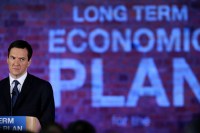
As ‘long-term economic plan’ goes global, will Cameron have an easy PMQs?

From our UK edition

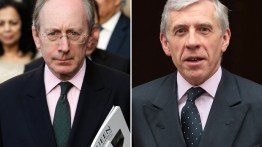
How will Prime Minister’s Questions go today? Both party leaders have had to deal with troublesome MPs this week, with Jack Straw and Sir Malcolm Rifkind both falling prey to the Dispatches/Telegraph sting. But Ed Miliband may feel that he can continue his theme of cracking down on paid directorships and consultancies, which Labour is running an Opposition Day debate on later today. Rifkind’s response to the sting also dug him into a deeper hole than Straw, who decided rather wisely to talk about what a fool he’d been not to take the advice he had so kindly doled out to colleagues who’d been caught by the same sorts of operations in the past.

When did it become OK for the police to electrocute children?

From our UK edition

Hard as it may be to imagine, dear reader, once upon a time the police managed to fulfil their obligations to society without resorting to electrocuting children. The sky did not fall. Teenage ruffians did not run amok. Life went on, much as it had before. Changed times, of course. These days, the carrying of Tasers has become increasingly normal. And when the police are armed as a matter of course, it's no surprise that they are increasingly likely to deploy force. Even on children. And pensioners. The youngest person Tasered by the police in England and Wales in 2013 was 14 years old; the oldest a menacing 82 years old. According to police statistics obtained by the BBC, officers Tasered 37 children in 2013.

Do we now know what the Tory strategy for defence is?

From our UK edition

For a while the Tories had hoped they could get away with dodging questions on defence spending until after the election. Even as the pressure within their own party for a commitment to the 2 per cent of GDP set by Nato, ministers were either saying they didn't want to 'pre-judge' the Strategic Defence and Security Review, or trying to turn the question round and ask whether Labour was going to match the current level of spending by this government. Neither was a satisfactory answer, but ministers rather have the impression that with just weeks until Parliament dissolves, they needn't worry too much.

Why Natalie Bennett doesn’t need to do the sums on policy

From our UK edition

To be fair to Natalie Bennett, she took the rather admirable step of apologising on the Daily Politics for being so woeful in her disastrous interview with Nick Ferrari this morning. But the whole episode tells us a lot about how the Green party views its appeal to voters. Yes, yes, it’s embarrassing that a party leader boasting about a flagship housing policy ended up sitting in the most painful silence imaginable while she tried to think of how that policy would actually, you know, work. But clearly if she thought that knowing the details of the policy would be important, she might have checked the details before walking into the LBC studio with Nick Ferrari. Clearly she did not.

Malcolm Rifkind quits as ISC chair and will stand down at next election

From our UK edition

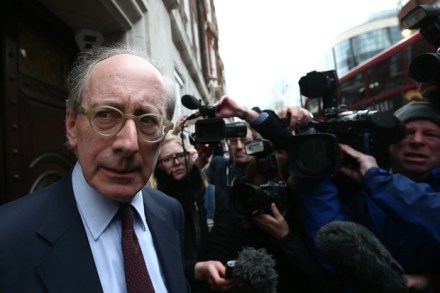
Sir Malcolm Rifkind's political career is over. Following the Dispatches/Telegraph lobbying expose, the former Conservative defence and foreign secretary and MP for Kensington has announced he is standing down at the next election. This has created a vacancy in one of the most sought-after Tory seats in the country, represented in a previous incarnation by Alan Clark and Michael Portillo. It's hard to see how Sir Malcolm could have stayed on. His unforgiven attitude to the cash for access accusations — and remarks suggesting his £67,000 salary as an MP wouldn't allow him to 'have the standard of living my professional background would normally entitle me to have' — were toxic for the Tories.

Ed Balls struggles to land punches in tax showdown with George Osborne

From our UK edition

Naturally, when George Osborne and Ed Balls squared up in the Commons this afternoon for a showdown on the HSBC tax row, it wasn’t a particularly pretty affair. There was shouting, heckling, yowling - and the backbenchers were pretty aerated, too. Indeed, the Tories had turned up intending to throw the Shadow Chancellor off pace before he’d even started, shouting ‘ANSWER’ at him every time he tried to say a single word. Balls had clearly turned up thinking that dragging the Chancellor to the Commons to answer his urgent question was victory enough. But an urgent question is only a victory if the minister responding leaves the Chamber thinking that he or she needs to get onto their officials for a more detailed briefing because the row has got bigger.

The latest proposals make the TV debates less likely to happen

From our UK edition

TV debates became a little less likely to happen today. The broadcasters have announced that their proposed timetable is for the two seven party debates to come first with the head to head between Cameron and Miliband as the final instalment. This schedule will make the Liberal Democrats even more reluctant to agree to the debates. For one of their main worries has been that in the two way debate, Cameron could say anything about what the Liberal Democrats have blocked in government without them having any chance to respond. With no seven way debate following the Cameron Miliband head-to-head, this problem has been compounded: there is no venue for Clegg to challenge Cameron directly on what he says in that two way debate.

Labour demands David Cameron commit to TV debate with Ed Miliband

From our UK edition

Will any of the General Election TV debates take place? Labour hopes they will, and today Douglas Alexander has written to Grant Shapps demanding that the Tories commit to doing the head-to-head debate with Ed Miliband, even if all the smaller parties are tying themselves up into fights over he seven-way debate. Alexander writes: ‘In the light of the previous comments from yourself and Mr Cameron, I am sure you will agree this is a “credible debate” and an excellent opportunity for the British people to watch the two leaders who stand a realistic chance of being Prime Minister after May 7. ‘I am happy to confirm on Mr Miliband’s behalf that he will turn up to debate Mr Cameron on April 30. Can you today confirm that Mr Cameron will be there too?

Conservative party suspends whip from Sir Malcolm Rifkind

From our UK edition

Even if the two MPs caught up in today's sting, Jack Straw and Sir Malcolm Rifkind, are found to have done nothing wrong, their parties cannot be seen to be protecting them. Straw was suspended from the Parliamentary Labour Party last night and this morning Sir Malcolm Rifkind has had the Tory whip removed. Rifkind says he will not stand down as chair of the Intelligence and Security Committee unless the Committee calls for him to stand aside. It's difficult to see how he can stay in the role while the investigation into his behaviour takes place. There will also be an immediate investigation carried out by the Tory party, given Rifkind is standing again at the election.

Mini Election: Tim Montgomerie on his plan to fix British conservatism

From our UK edition

Is conservatism in Britain broken beyond repair? Tim Montgomerie thinks it’s time for a reformation on the right. In the latest Mini Election video, I speak to the Times columnist and founder of ConservateHome about his new project The Good Right, which sets out his proposals for reuniting and reinvigorating the conservative movement. Given that the Conservative Party hasn’t won a majority since 1992, Montgomerie says the party needs to delve into its history pre-1979 and remember that the state can sometimes deliver the best answers — house building for example.

Tories and Labour to make pledges knowing they are bad policy

From our UK edition

This week, the two main parties plan to make iconic pledges that they hope will appeal to their core vote, but that are pretty poor policy. David Cameron will today pledge to keep ‘pensioner perks’ - universal benefits for older voters such as the free bus pass and the winter fuel payment - while Labour expects to announce its new tuition fees policy. The only thing that gives the Tories any sense of moral high ground in this is that they have at least worked out how to fund their pledge, while Labour is still scrapping over the money for and detail of its plan to cut tuition fees. Why are these bad policies?