Tuscany

The majesty of Siena’s Palio

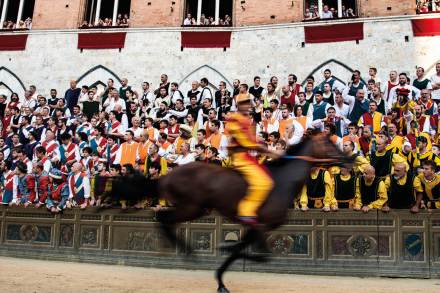
Twice a year, an almost deathly silence falls on the Tuscan city of Siena. It is the moment just before the rope drops in the Piazza del Campo to signal the start of the Palio, the city’s ancient horse race and fiercest rivalry. Siena’s Palio is as mad as it is old. Ten horses and ten riders, representing ten of Siena’s seventeen contrade, or districts, race three laps of the city’s main square at breakneck speed before thousands of screaming spectators, in a tradition dating back to 1633 — the year Galileo was convicted of heresy for insisting that the Earth revolved around the Sun. Every summer, two palii are held: one on July 2, in honor of the Madonna di Provenzano, and one on August 16, the Palio dell’Assunta during the feast of the Assumption. What’s at stake?

Palio

Umbria: Italy’s underrated gem

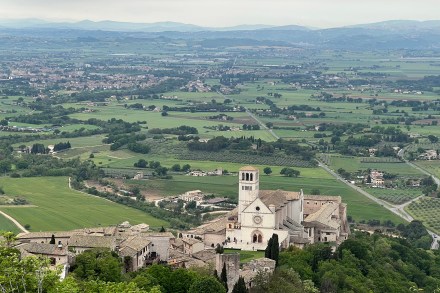
Nestled in the Apennine Mountains due east of Rome is the region of Umbria, a hidden gem at the heart of Italy. It's characterized by lush green countryside, rolling hills carpeted in olive groves and picturesque medieval hilltop towns. The region has the beauty of Tuscany but without the mobs of tourists. Its food is the best Italy has to offer — fresh, traditional, high-quality and spectacularly tasty. The senses, then, are satisfied — but Umbria also harbors a rich religious legacy. Home to some of Catholicism’s most titanic saints — Francis and Clare of Assisi and Benedict of Nursia — and dotted with ancient and medieval churches of great beauty, it's as much a pilgrim’s paradise as it is a tourist’s Italian dream.

umbria

Happy hours

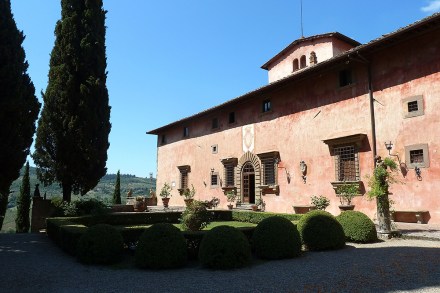
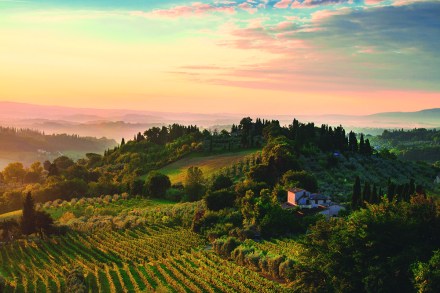
A family of peacocks is sunning itself in our villa garden. They all look extraordinarily happy and composed, especially the baby one for whom (like us, come to think of it) this is a whole new experience. But then, the 150 hens wandering in and out of their coops painted like beach huts don’t look exactly overburdened themselves. Nor do the sheep, pigs and cows in their 220 acres of lush Tuscan terrain near the Merse river.

tuscany