Murder, incest and paedophilia in imperial Rome
From our UK edition
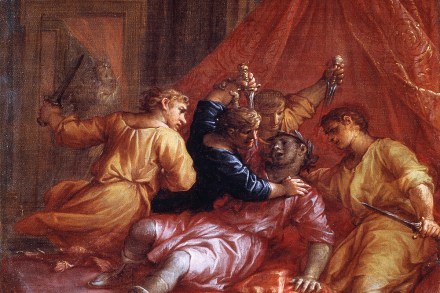
I came to Suetonius’s Lives of the Caesars as a schoolboy after watching I, Claudius, the BBC series based on Robert Graves’s pair of novels about imperial Rome. Incredibly, it’s almost half a century since this was compulsory Monday night viewing in our household. The mere sight of the snake slithering across the opening credits was enough to make my younger brother bury his head in a cushion. Graves had spiced up Suetonius’s racy accounts of violent murder, incest and poison. But, in the world before trigger-warnings, the BBC outdid him in bloodlust. The most gruesome scene in the TV drama – of Caligula doing some amateur surgery on his sister’s stomach to remove their unborn incestuous child from the womb – was pure invention by the screenwriter Jack Pulman.