Thomas pynchon

Thomas Pynchon’s Shadow Ticket is transcendent and exhausting

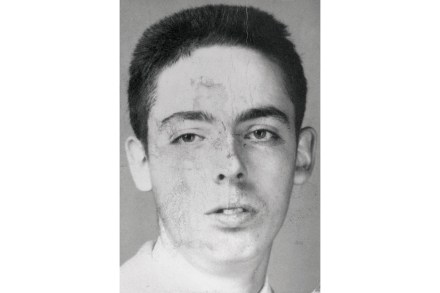
And just like that, after an excruciating 12-year hiatus, the literary world’s answer to Harry Houdini is back. Thomas Pynchon, that notorious recluse, has resurfaced with Shadow Ticket, a tricksy Prohibition-era detective caper that is by turns exhilarating, exasperating and inimitably Pynchonian. A new Pynchon novel is simultaneously a reviewer’s wet dream and feverish nightmare. There’s so much to unpack, you’re never going to do it full justice after a single reading. This is, after all, the writer famous for Byzantine, convoluted plots which zigzag their way across entire continents, ideologies and historical epochs, brimming with mysterious entities and delightfully nutty characters. Shadow Ticket is no different.
thomas pynchon shadow ticket

The final act of Thomas Pynchon

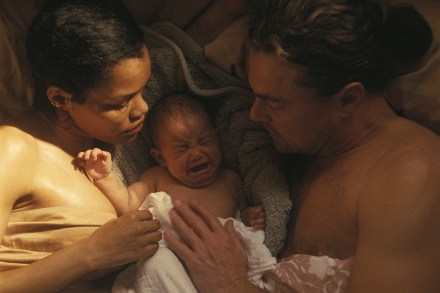
Whisper it, very quietly, but the now 87-year-old author Thomas Pynchon is having something of a moment in 2025. Not only has his 1990 novel Vineland supposedly served as the loose inspiration for the eagerly awaited new Paul Thomas Anderson-Leonardo DiCaprio collaboration One Battle After Another, but the near-impossible has been announced: Pynchon will publish a new novel, entitled Shadow Ticket, around the time of the movie’s release. It will be his first book in more than a decade, his ninth novel and his third consecutive noir-influenced story.

thomas pynchon

Inside Thomas Pynchon’s most underrated novel

Atop the Almaden Tower in downtown San Jose — the world headquarters of Adobe Systems Inc. — sits a singular art installation. Four amber wheels rotate every few seconds in a seemingly innocuous and frankly nonsensical digital display. The installation, known as the “San Jose Semaphore,” is the brainchild of the data-driven media artist Ben Rubin and first appeared — or began transmitting — in August 2006 to the mass bamboozlement of passersby. What was going on, they cried? Was it that most millennial of things — a sign? For those less likely to be beguiled by some concealed piece of chicanery, the circles were little more than frivolous decoration, another example of Adobe splashing the cash on some geometric garnishing.

Pynchon

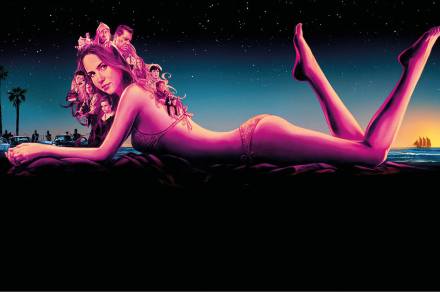
Reconsidering Paul Thomas Anderson’s Inherent Vice

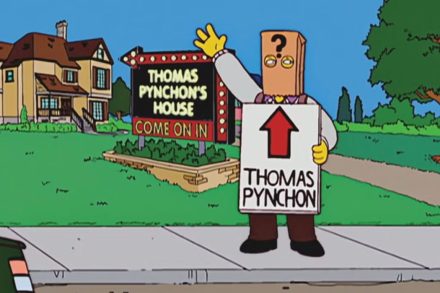
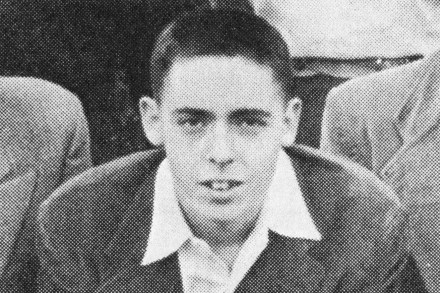
Much has been made in the Thomas Pynchon Reddit community — a crazed bunch — of the author’s rumored cameo appearance in Paul Thomas Anderson’s 2014 adaptation of his 2009 novel, Inherent Vice. Photos circulate in a frenzied online meta conspiracy: is he this old man? That guy in the hat? Famously reclusive, Pynchon has barely been photographed in real life. His only acting credit was when he voiced himself on The Simpsons, while his cartoon likeness appeared with a paper bag over its head. Pynchon revels in the oxymoron of the anonymous celebrity and his fans simply can’t get enough. He found the right director to bring his work to the screen.

Inherent Vice

The return of Thomas Pynchon?

The question of whether the novel is dead is one that often occupies those in the business of writing or commenting on novels, much as the question of self-driving cars doubtless occupies truckers. One’s attitude towards the question largely depends on one’s attitude towards genre fiction and Sally Rooney. Still, whatever its truth, it is inarguable that, as Joseph Bottum wrote in his 2019 book The Decline of the Novel, “art forms are not immortal or incapable of collapse when their social foundations shift.” To that end, authors have been attempting to innovate. The “alt-lit” community have been using social media for years, both as a source of thematic material and as a means of publication, and even grizzled vets are learning new tricks.