The new york times

The differences between British and American readers

This article is in The Spectator’s October 2019 US edition. Subscribe here. New York This feels strange. Since 1977, I have been writing the High Life column in the London Spectator and concentrating on American goings-on for a British audience. Now I am about to write the High Life for an American readership. Are American readers very different? You betcha, though they are supposed to speak the King’s, or the Queen’s, English. Never mind. Both countries take their democracies seriously, and their freedoms even more so. One difference is that, over in the Old Country, people know that democracy is rare in distant parts of the world.

new york american

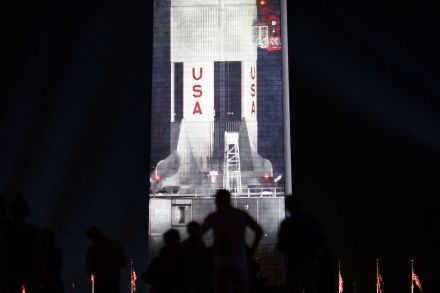
Apollo 11 was nowhere near woke enough

If you do ever find yourself in Moscow with a spare morning or afternoon to discharge, might I recommend a visit to the Museum of Cosmonautics? Roosting below the grandly named ‘Monument to the Conquerors of Space’, the frigid, rather shabby rooms of this museum contain exhibits that are as moving as anything that’s ever been placed in a glass box for tourists to gawp at. When you consider that Soviet Cosmonauts ‘touched the face of God’ using crude, dangerous technology that contained less processing power than the average contemporary fridge – when you consider the sheer bravery of men like Gagarin, Belyayev and Komarov – the major response is (and ought to be) pride. Pride on a human level, that is to say, a species-level pride.

apollo 11

The New York Times: all the news that’s fit to fake

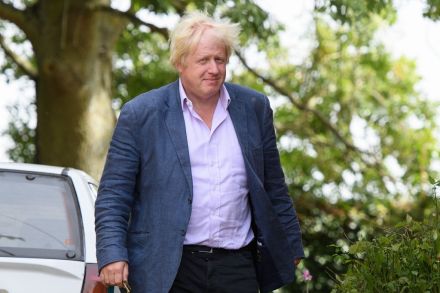
Cockburn still takes the Sunday edition of the New York Times. He has two cats, and all those extra sections make excellent liners for the litter tray. Perhaps this is what people mean when they say that you have to hold your nose when you read the Times. The Times may have closed the curtains on the question of Nikki Haley’s window dressings, but its writers still cannot be trusted. Is it from malice or ignorance? Or a cocktail of the two, in which the presumption of virtue overrides the responsibility to check the facts?

boris johnson new york times

Why catastrophising is my idea of a good time

When, on a test of general knowledge, the highly educated score far worse than chimpanzees, university degrees may be overrated (definitely). But something more interesting may also be going on. According to the newly released Factfulness by Hans Rosling, we would-be smart people would improve our results on multiple-choice questions about the current state of the world (16 per cent) if we picked the answers at random (33 per cent). We all seem to think that humanity is in the toilet, and swirling more deeply into the sewer by the day. We’re wilfully blind to social progress. The more cheerful a host of indices look, the more belligerently we cling to the conviction that everything is getting worse.