The louvre

Did the Louvre robbers want to get caught?

It is more than a month since thieves stole the crown jewels from the Louvre and the chances of recovering the loot, worth an estimated €88 million, diminish with every passing day. The robbery was initially dubbed the “heist of the century,” a brazen theft in broad daylight as visitors strolled through the world’s most famous museum. There were up and down the ladder and in out of the museum in seven minutes, giving the impression that this was the work of villains well-versed in daring robberies. But soon details emerged that suggested the gang of four weren’t quite of the caliber of the thieves immortalized in the Hollywood movie Ocean’s Eleven.
Is DEI to blame for the Louvre heist?

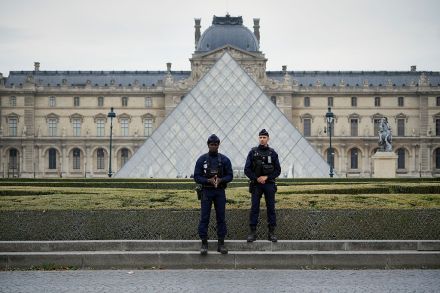
Police in Paris have arrested two men after the "heist of the century" at the Louvre museum. According to the French press, the pair were arrested separately as they prepared to leave the country on Saturday evening; both are in their 30s and from Seine-Saint-Denis, the sprawling suburb north of Paris. As yet there is no indication that police have recovered any of the crown jewels that were stolen from the museum in seven sensational minutes last Sunday. The search for them and the two other gang members goes on. The 88 million euros ($102m) heist has been deeply embarrassing for France, and the fact that those responsible appear to be local villains as opposed to the international criminal masterminds that some had suggested will only further redden the Republic's face.

Laurence des Cars

From temple to labyrinth — the art museum today

From our UK edition

At a certain point, the critic Robert Hughes once noted, at the heart of American cities churches began to be replaced by museums. Much the same occurred elsewhere in the world in the later 20th and early 21st centuries. Museums have sprouted from the earth in many diverse forms and numerous places. Enormous sums have been lavished on them. Vast processions of visitors file through their doors like medieval pilgrims — or at least they did before the pandemic struck. Once, there was widespread agreement as to what should go inside these temples of the arts: old master paintings, ancient carvings, the best and noblest artefacts humanity has produced. This consensus, however, has evaporated.

Leonardo in Paris

ParisThe Louvre’s Leonardo da Vinci is the latest Renaissance master in a procession of epic anniversary retrospectives — after 2017’s hugely popular Michelangelo: Divine Draftsman and Designer at the Metropolitan Museum of Art in New York City, before next year’s inevitably popular marking of the cinquecentenary of the death of Raphael at the National Gallery in London. This year, with Leonardo’s posterity passing the same necroversary, the Louvre is augmenting its five Leonardo oils –– more than any other museum, thanks to the light fingers of legendary art critic Napoleon Bonaparte –– with a further six loans.

leonardo