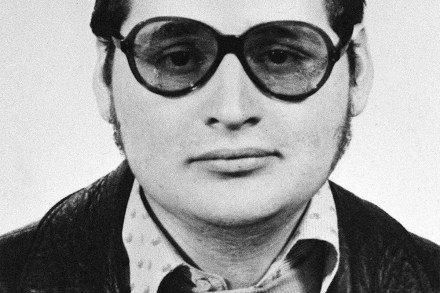
How Cold War Czechoslovakia became a haven for terrorists
From our UK edition
Cold War Prague hid its historic charms under a veil of grime and dilapidation. But, as we learn from this deeply researched and scholarly study, it was still a favoured destination for international terrorists, mostly Palestinians, after the 1968 Soviet invasion. They liked its hotels, its proximity to the West, its medical facilities, the tolerance and support of its security authorities and the quality of its light-arms manufacturing. Communist Czechoslovakia (CSSR) boasted relatively efficient security and intelligence services (generically referred to as the Stb). They were scrupulous record- keepers, and Stb archives, released after the Velvet Revolution with minimal expurgation, remain among the most complete of any former Warsaw Pact nation.