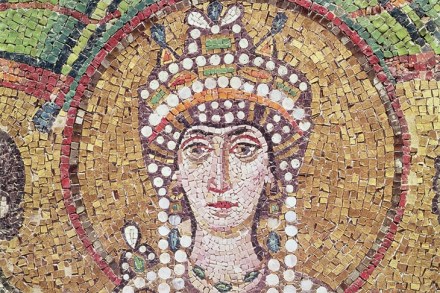
City of dazzling mosaics: the golden age of Ravenna
From our UK edition
When we refer to someone as ‘Byzantine’ we usually mean guileful or too complicated and labyrinthine in manner or speech. Perhaps the term is ill-applied: Byzantium, the medieval Greek city on the Bosporus which the Roman Emperor Constantine I renamed Constantinople, was not in essence an unfathomable, over-hierarchical or manipulative sort of place. It flourished for more than 1,000 years, until the Ottoman Turkish onslaught in the 15th century, by dint of its ‘extraordinary resilience and self-confidence’, says Judith Herrin, a leading Byzantinist. The northern Italian city of Ravenna, with its wondrous mosaicked churches and gilded mausolea that miraculously survived the aerial bombardments of the second world war, was manifestly also a Byzantine city.