Tea party

Where Thomas Massie went wrong

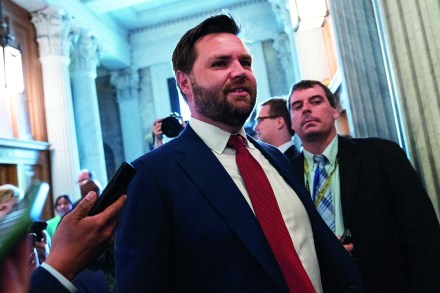
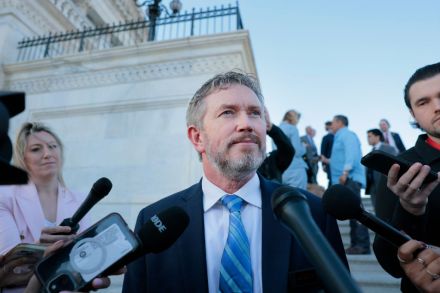
What happens when a Republican congressman turns his primary election into a referendum on Donald Trump? What happens when he turns it into a referendum on Israel? The answer to those questions should be stunningly obvious. There was never a reason to expect Kentucky to return a different verdict than anywhere else. Quite the contrary – it’s a staunchly red state. Asked to choose between Trump and a congressman who’d lately been garnering favorable coverage in the New Yorker, the Atlantic, the New York Times, Republican voters were not about to abandon the president. The very things Thomas Massie’s newfound friends liked about him made him unacceptable to the people who actually vote in Republican primaries.

Massie

The problem with Thomas Massie

Thomas Massie’s predicament, as he fends off a Trump-backed challenger – and Trump himself – in the Republican primary for his seat in Congress, is symbolic of the vexed relationship libertarians have with the right these days. Massie was not only a Tea Party Republican when he was first elected in 2012, he was a Ron Paul Republican, inspired by the longtime, philosophically libertarian Texas congressman who made his second bid for the GOP presidential nomination that year. The Commonwealth of Kentucky had sent Paul’s son, Rand, to the US Senate two years before, and its 4th congressional district put Massie in the House. Libertarians are natural junior partners in someone else’s enterprise ​Now Trump is trying to take him out.

Thomas Massie

Trump, Soros and a weaponized DoJ

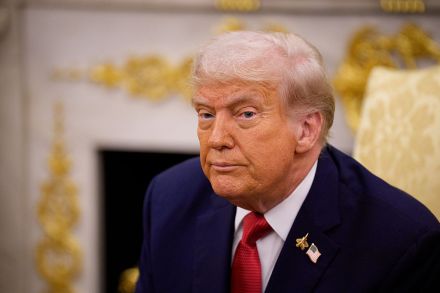
In 2013, the IRS targeted the Tea Party and other conservative organizations for special scrutiny. Four years later, the federal government reached a settlement and the IRS apologized. Is it about to be déjà vu all over again? The Trump administration is embarking upon a major campaign against leading liberal organizations. The first shot came in late August when President Trump demanded that the liberal billionaire George Soros and his son, Alex, be charged under the federal Racketeer Influenced and Corrupt Organizations Act for supporting violent protests across America. The libertarian CATO Institute, a redoubt for decades of free speech advocates, promptly observed that “the call to prosecute may be bluster.” Wrong.

Donald Trump

Joe Biden gives in to the Squad

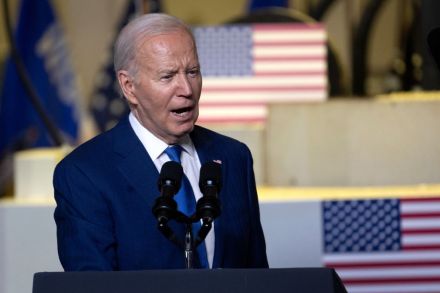
Welcome to Thunderdome. It’s been clear since day one that Joe Biden was more scared of the progressive left than anyone else. His White House was incredibly fearful of a challenge from Bernie Sanders or a Squad member within the 2024 primary and the damage it would do to the Democratic coalition and his own re-election hopes. So the White House swung left — not just on economic policy, where he threw everything behind massive expenditures that pleased leftist politicians, pundits and people who have shrines to FDR in their houses, but on social policy as well, where he embraced the culture war issues of abortion and the trans agenda and hung on tight.

Where the Tea Party went wrong

In the world of American politics, 2010 feels like a very long time ago. The wave of Tea Party candidates swept into office in response to the overreach of Barack Obama belonged to a party that had as its champions the likes of George W. Bush, John McCain and Mitt Romney — all people who would ultimately be rejected by its nominee in 2016. The Republican Party of 2010 nominated and elected a swath of candidates bent on changing Washington. They were elected in states as diverse as Kentucky, Florida, Wisconsin and Utah. And they represented a push designed to shift the party, to transform what it did in the capital. They advocated for change that would be long-standing, not just a brief change in personnel.

tea

Justin Amash: a study in vanity

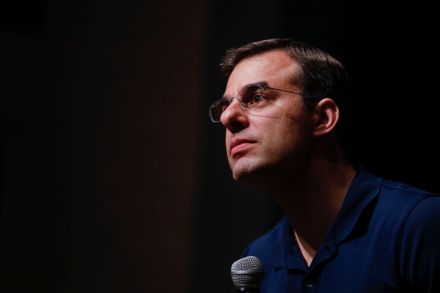
Every Democrat’s favorite ex-Republican has just announced he’s going to seek the Libertarian Party nomination for president. If he gets it, Justin Amash will be the third ex-Republican in a row to be the LP’s standard bearer, tracing the footsteps of former Georgia Rep. Bob Barr (2008) and former New Mexico Gov. Gary Johnson (2012 and 2016). Neither of those two had an appreciable impact on the Obama-McCain, Obama-Romney, or Clinton-Trump contests, and the odds are not good that Amash will be any more significant. So why is he running? The immediate explanation is probably that he concluded he couldn’t win his race for re-election to Congress.

justin amash