Takacs quartet

Splendid revival of an unsurpassed production: Royal Opera’s Turandot reviewed

From our UK edition

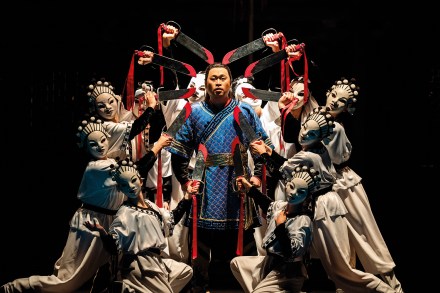
Puccini’s Turandot is back at the Royal Opera in the 40-year old production by Andrei Serban and… well, guilty pleasure is an unfashionable notion these days, but I still feel a batsqueak of shame at enjoying it so much. It’s not the chinoiserie – anyone who believes that an opera based on an 18th-century Italian pantomime should be taken literally is probably beyond help. No, it’s a Spectator headline from years back that still nags. ‘Turandot is a disgusting opera that is beyond redemption’ was the gist of a review of this same staging by the late Michael Tanner, and if it was anyone else you’d put it down to snobbery and move on. But you can’t do that with Tanner, a thinker of piercing intelligence who spent decades interrogating how opera works and why it matters.
The miracle of watching a great string quartet perform

From our UK edition

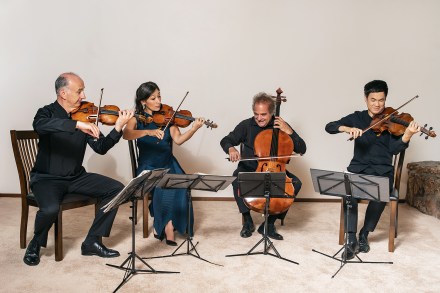
Joseph Haydn, it’s generally agreed, invented the string quartet. And having done so, he re-invented it: again and again. Take his quartet Op. 20, No. 2, of 1772 – the first item in the Takacs Quartet’s recital last week at the Wigmore Hall. The cello propels itself forward and upward, then starts to warble like a bird on the wing. The viola sketches in a rudimentary bass line; the second violin – higher than the cello on paper, but actually playing at a lower pitch – shadows the melody in its flight. The first violin? Nothing: the leader (or so you might imagine) of the group is entirely silent until finally, blissfully, he isn’t. It’s the opposite of how a string quartet is supposed to begin, and it’s perfect.

The joy of Haydn’s string quartets – here are the best recordings

From our UK edition

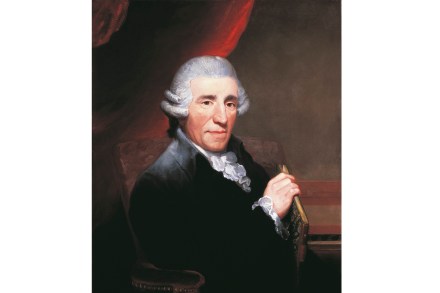
As Joseph Haydn was getting out of bed on the morning of 10 May 1809, a cannonball landed in his back garden. Napoleon’s armies were closing on Vienna, and Haydn’s suburban home was in the line of fire. His valet recorded that the bedroom door blew open and every window in the house rattled. Shaking violently, the 77-year-old composer’s first thought was for his household, which at that point comprised six servants and a talking parrot who addressed him as ‘Papa’. ‘Children, don’t be afraid, for where Haydn is, nothing can happen to you,’ he shouted. This was nothing particularly new. Over a long life Haydn survived smallpox, saw his house burn down (twice) and narrowly escaped castration at the hands of an overenthusiastic choirmaster.