Tacitus

Why the Establishment hates Donald Trump

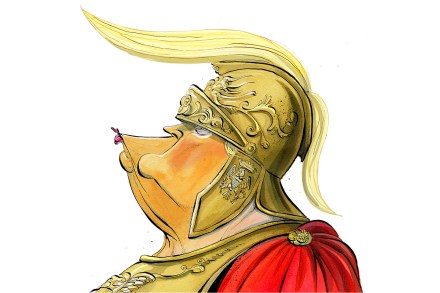
Like many commentators who have struggled to understand the reasons for the inveterate hatred of Donald Trump among the swank people who actually run the country, I have generally come up with two answers. The first is aesthetic.  Trump does not look like, act like or talk like a typical politician. He has a funny hairdo, seems to have a fake tan and his taste in clothes and food are infra dignitatem. He consorts with people who organize fights and other riff-raff. Ronald Reagan was a movie actor, something for which he was mercilessly pilloried by the New Yorker-New York Times set in the run-up to and throughout his presidency. But Donald Trump hosted a demotic reality TV show, which was even worse.
genghis donald trump boomer republicanism establishment

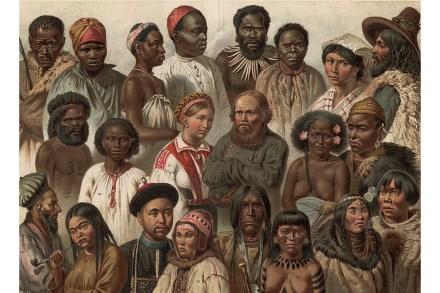
Anthropology has turned its back on its legacy

Freezing rain the other night turned our snowy road to ice and sent our car sliding backwards into a ditch. That was better than the cliff on the other side. This being rural Vermont, my cell phone’s only service was its flashlight and it was a dark and slippery hike to the nearest house. Three hours later, roadside assistance had us back on four wheels. I surely lost some points in the rugged individualism rankings, but my wife and I were only a little chilled by the adventure. Things could be — and indeed they are — much worse elsewhere. At least we didn’t have a former Baywatch actress throwing punches at us for traveling sans mask.

anthropology

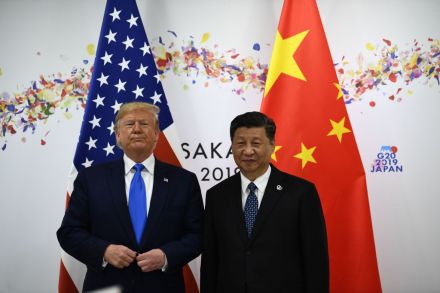
The coronavirus is springing the Thucydides trap

The first casualty of informational war is truth. The first American casualty of COVID-19 was the myth that the United States can ‘manage’ the rise of China as a world power through mutual interest. That mutual interest was only ever economic. Naturally, most of our politicians, business leaders and commentators explained it as strategic too: as technocracy calls GDP the index of human happiness, so it identifies strategic interests with economic ones. The coronavirus crisis has, however, exposed an essential strategic antagonism between the United States and China.'‘What made war inevitable was the growth of Athenian power and the fear which this caused in Sparta,’ Thucydides wrote in History of the Peloponnesian War.

thucydides