Sudan

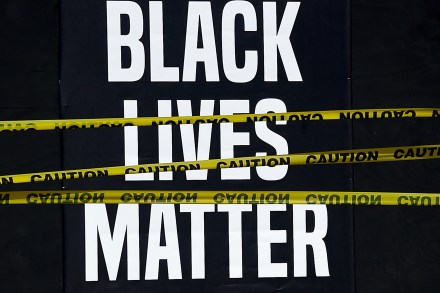
Do black lives still matter?

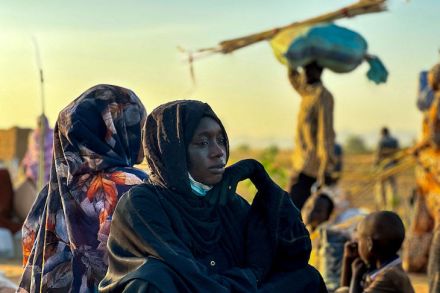
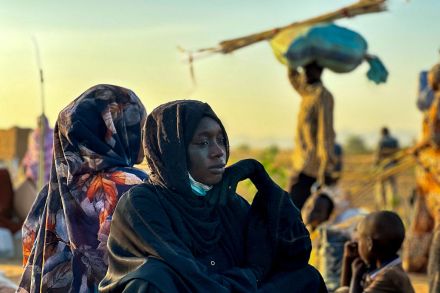
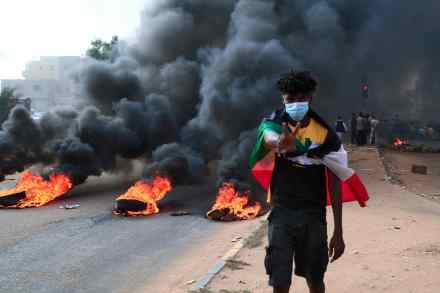
It was an ethnic massacre so bad that it could be seen from space. Satellites picked up bloodied patches of soil in North Darfur’s capital, El Fasher, after Sudan’s Rapid Support Forces (RSF) swept into the besieged city. Pools of blood and piles of bodies were identified. Thousands of people are feared to have died in the appalling violence. Many thousands more have fled for their lives. Others remain trapped in the city. The scenes of slaughter were so blatant that it should have brought marchers out onto the streets in passionate protest. But there wasn’t a peep from the usual suspects. Was this because the killings did not take place in Gaza or the West Bank, but in Sudan, one of Africa’s largest countries?

sudan darfur

Activist silence over Sudan speaks volumes

The city of El Fasher, long a symbolic and strategic stronghold in Darfur, has in recent days become the site of atrocities so grave that the United Nations has openly warned of the risk of genocide. Videos reviewed by the Office of the High Commissioner for Human Rights show scores of unarmed men executed in cold blood, some lying dead at the feet of Rapid Support Forces fighters, others dragged off and detained. Journalists and aid workers have disappeared. The last remaining functional hospital was shelled, killing patients and staff. The Saudi Maternity Hospital, once a rare lifeline, is now a mass grave.

Sudan

Sudan and the decline of American courage

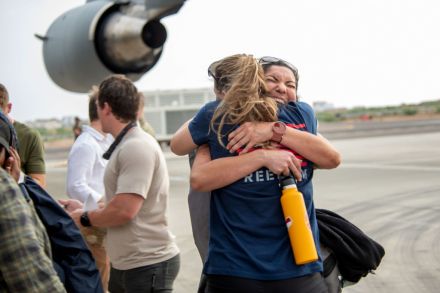
Over the weekend, US special forces evacuated American embassy personnel from Sudan in a nearly day-long operation. The evacuation came as the African country descended into near civil war on April 15 when the Sudanese Armed Forces and the Rapid Support Forces took their disagreements to the battlefield. US forces managed to get all of the personnel — along with a number of foreign individuals — out of the country safely, flying about 800 miles from Khartoum back to Djibouti in three heavy-lift helicopters. The decision to leave an embassy is not an easy one, and is typically reserved for only the most severe circumstances (Kyiv in early 2022, for example).

sudan