Society

The close friend I never really knew

From our UK edition

I have just read an extraordinary new book. It’s by a close and old pal whom I’d count as one of my best friends. He was my lodger in London for ten years. His book is autobiographical. And I now realise I never knew him at all. In Don’t Ask Me About My Dad, Tom Mitchelson charts a life story that is entirely strange to me, and shocking. And yet the weird thing is that I know many of the people in it – or thought I did. His late father, Austin, who helped launch the Sunday Sport, I met and thought a likeable if flaky chap, and good company. He turns out to have been the most appalling wife-beater, liar, drunkard and debtor.


Having fun again on Derby Day

The woes of the world are a’plenty. People are anxious, stressed-out, and burned-out. It seems that no matter what side of the political aisle you gravitate toward, there’s a new battle to be fought at the dawn of each day. Even innocent settings — school board meetings, comedy shows, the Magic Kingdom itself — are not immune from partisan vitriol. Luckily for us, though, this is Derby Day, which means it’s the perfect time to do something about the very real but underreported disorder that’s been plaguing our society for a while now: we’ve forgotten how to have fun. It’s a contagious disease that affects brain function and mood, and if left untreated, could result in everyone becoming a smug, humorless elitist (a prognosis worse than Covid).

The cult of sensitivity

From our UK edition

I was extra pleased to have swerved the modern curse that is Wordle when I read that ‘sensitive’ words have been removed from it. A spokesman proclaimed: ‘In an effort to make the puzzle more accessible, we are reviewing the solutions and removing obscure or potentially insensitive words over time. HARRY is an example of an obscure word.’ Other more obviously ‘insensitive’ words had already been removed, such as ‘sluts,’ ‘bitch’ and ‘whore’, and though I’m the most rad of femmes, I do wish they’d stayed. Removing ribaldry makes the language increasingly bland. ‘Sensitivity’ is one of those words that’s changed its meaning. It was once used mostly to refer to sore teeth and gums.

‘Father Stu’ and the merits of suffering

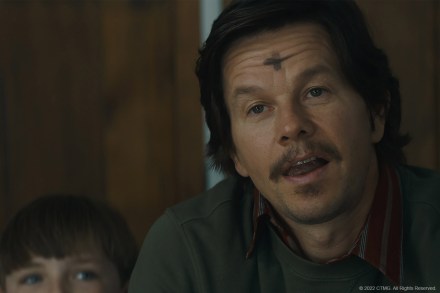
Father Stu opened in theaters this Holy Week. It’s a movie about a real-life man who led a depraved and reckless life, found God, became a priest, suffered greatly and died from an incurable disease. And did so — more importantly — with patience and good nature that inspired multitudes of those around him. The film’s message is essentially that suffering has value, and as we sit in the richest nation in history drowning in the highest levels of depression ever recorded, such a reminder could not come at a better time. It’s a curious thing that so many people are dissatisfied with life when the standard of living has never been higher.

Why Russian tactics won’t win the war

From our UK edition

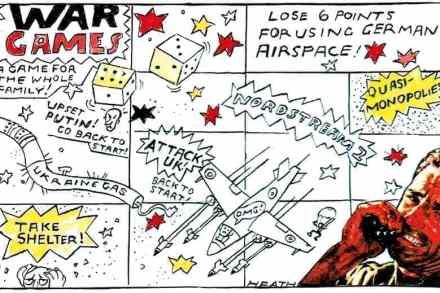
As the Russian invasion of Ukraine enters its second month, the war has settled into a largely attritional struggle – and the picture is very different across the various fronts. Russian forces have been forced on to the defensive in many areas. The Russian ministry of defence has announced that the ‘first phase’ of the invasion is over, to be replaced with a more limited focus on Donbas in the east of Ukraine. The reason for this is simple: Ukrainian forces have not only stopped the Russian advances around Kyiv in the north and Mykolaiv in the south-west but have begun to regain towns and cut key Russian supply routes.

My strange encounter with foot fetishists

From our UK edition

Around five years ago I started to receive requests online for photos of and details about my feet. I’ve been asked for foot pictures intermittently ever since. Most of the gentlemen are upfront about what they’re after (‘send foot pic plz’), but one man went above and beyond in his pursuits. Posing as an academic, he sent several emails to my work account claiming dozens of women in the British media had submitted their shoe size to help him with a research project. He was just waiting for my details to finish his ground-breaking study. Although I never responded, I commend his efforts. I was never able to work out what triggered this attention from foot fetishists, but now I think I’ve figured it out.

Why should I be ‘cancelled’ for arguing that biological sex is real?

From our UK edition

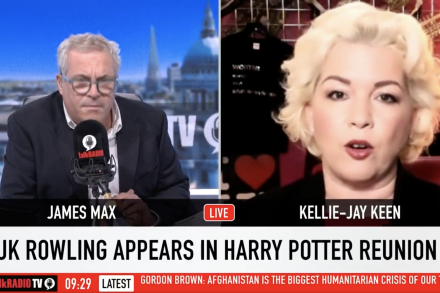
‘I just get the impression she hates men’, said a wound-licking James Max, on TalkRADIO, after he interviewed me on Wednesday. It’s a familiar accusation from those who fail to drum up rational arguments for the destruction of women’s rights. Max is currently filling in for Julia Hartley-Brewer this week on the station, which is a self-styled ‘home of free speech’ radio and TV station. In our interview, which lasted less than ten minutes and in which I appeared under my real name, Max offered a masterclass in how to ignore women’s concerns and centre men’s feelings above all. The tone was set when Max tried to link the views of J.K.

Virtue signalling is really status signalling

From our UK edition

A £19,000-a-year London day school was in the news this week because it has started instructing its pupils about ‘white privilege’ and ‘microaggressions’. Apparently, St Dunstan’s in south London, which boasts Chuka Umunna among its alumni, teaches its well-heeled students that the royal family bolsters expectations of ‘inherited white privilege’, asks them to ‘explore’ why Meghan Markle faced ‘additional challenges’ compared with Kate Middleton when she married a prince, and tells them why it’s important for the National Trust to examine the colonial past of its country houses and links to the slave trade. I was surprised this story attracted so much press interest.

The path to re-enchantment

From our UK edition

Most social occasions now seem to kick off with a wasted hour or two. The time is spent discussing Covid: who’s had it and who hasn’t, who’s had the most nightmarish encounter with a mask fanatic and who the worst lockdown. After that there can be a second course, discussing things like international travel. Remember when we used to be able to book a ticket, put up with the indignities of the budget airlines but still arrive in any place we wanted? Now everybody has stories of friends and relatives they haven’t seen, places they can’t go, and experiences they’ve had to miss. The world has become a little smaller. A perfectly dull evening can be spent rehearsing all this. It is all good boring stuff. War stories from a non-war.

The bogus business of stigma-busting

From our UK edition

Our society is bristling with social stigmas, we’re told, even in the progressive West, even in London. Life is so horribly stigmatised that celebrities are increasingly keen to raise awareness not of diseases or disabilities, but of the stigma that’s said to surround them. So: less campaigning for cancer research, more for breaking the stigma around talking about cancer. Less feeding the world, more brave standing up to the stigma attached to food poverty. Once you’re alert for stigma, it’s astonishing how much mention of it there is.

Is living without risk really living at all?

From our UK edition

Taking my life in my hands — as we all do when getting out of bed — I walked along the Thames last week. On the northern footpath east of Blackfriars Bridge, a young man ran atop the adjacent wall and jumped across a gap in the brickwork. The gap was six feet long, the wall as high. Had he missed, he’d have met all manner of hazards on either side. He gained nothing overt from that leap, only an ephemeral sense of satisfaction, yet risked broken bones or a fractured skull. As he turned heel in preparation for repeating the feat, I was both aghast and impressed. We could call that young man foolhardy.

The secret excitement that lurks beneath our distress

From our UK edition

Something about the word ‘bomb’ has always thrilled me, and I know why. No school today. In the 1950s we lived in Nicosia, Cyprus, when the island was a British colony and Greek Cypriot terrorists were trying to kill us. Our house was near a big army camp and our Cypriot neighbours were friendly, so home felt protected. It never occurred to me, just starting school, that proximity to the military was not a guarantee of security; and it never occurred to Mum and Dad that our neighbours had a small bomb factory, later discovered underneath their chicken house; so indoors seemed safe. But outdoors was different.